Tell us about the job
Takes about a minute. No obligation.
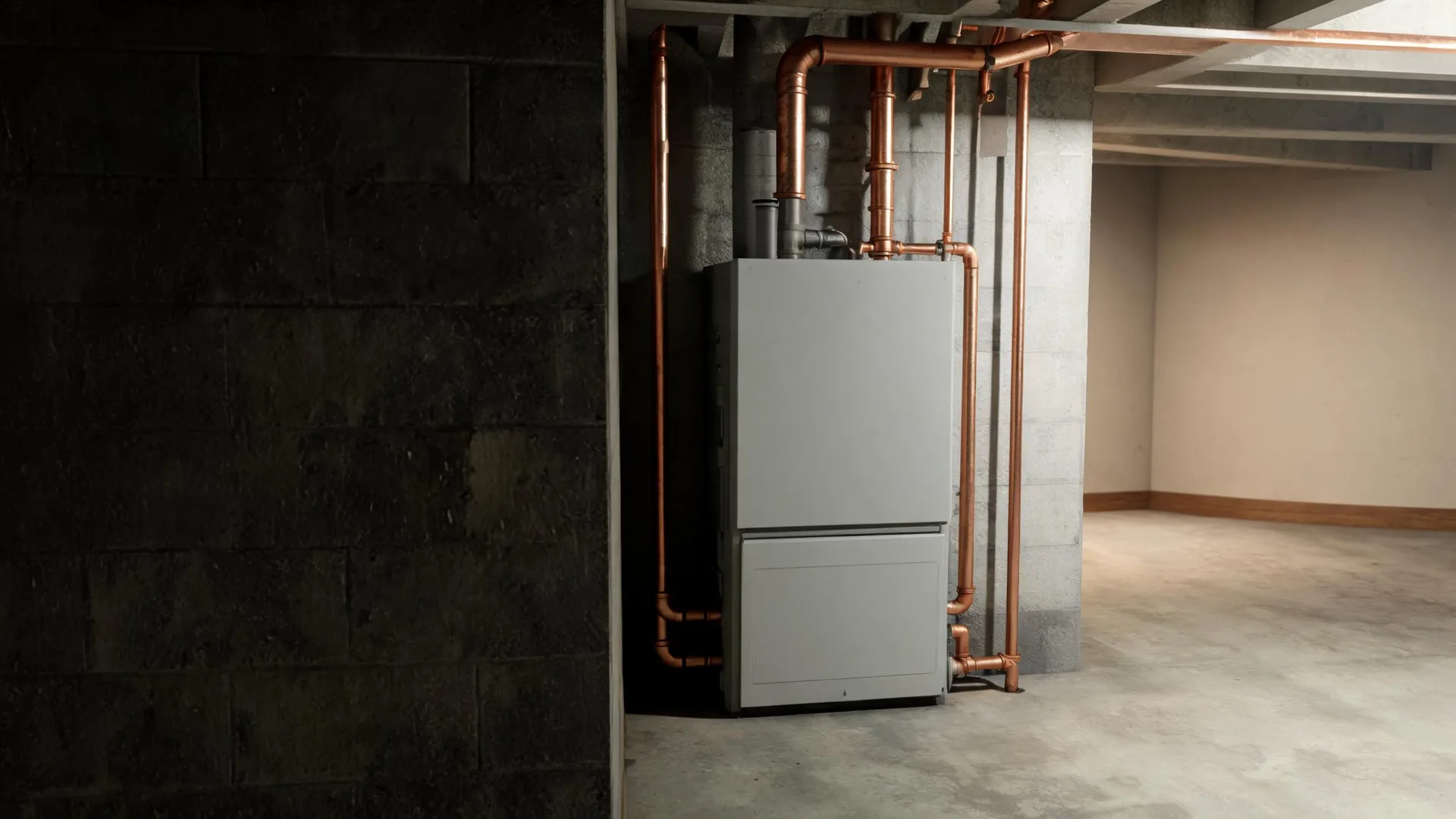
A contractor looking at a boiler repair in Mesa County has to sort a fixable fault from a component that has reached the end of its serviceable life. Homes in Mesa County, CO run heat about nine months a year, from September through May. Burners and heat exchangers carry the load of every firing cycle across that season, and on a boiler that has run through many of them, the ignition system and the seals show it plainly when opened. What looks like a single repair can turn out to be deferred wear on several parts, and a contractor prices the job differently once they can see which it is.
Half the homes in Mesa County, Colorado were built in 1987 or earlier (2020-2024 ACS 5-year). Boilers in a stock that old are running on heat exchangers, valves, and controls that have absorbed decades of freeze-thaw cycling at altitude. When a contractor opens a unit here, the question is rarely whether wear exists. It is whether the sections, seals, or zone valves the system requires are still being manufactured. Sourcing parts for older boiler makes can extend a repair timeline and change its cost before a wrench turns.
The Parts of a Boiler a Contractor Checks First
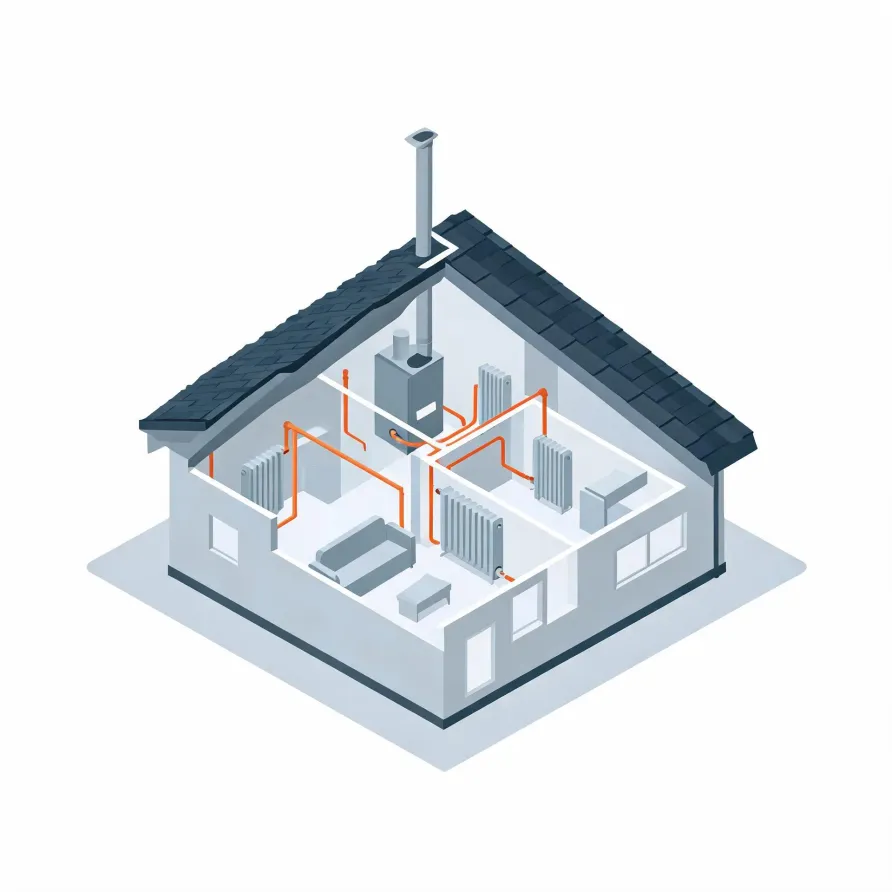
The boiler itself sits in the basement or mechanical room and is the heart of the system, burning fuel or drawing electricity to heat water. The heat exchanger inside it is where a contractor looks early, because cracks or scaling there affect everything downstream. The pressure relief valve, mounted directly on the unit, is another first stop.
From the boiler, supply pipes run through the house carrying hot water to radiators or baseboard units in each room, and a separate return line brings cooled water back. The circulator pump, usually mounted near the boiler on that return line, keeps water moving through the loop. The expansion tank, sitting close by, absorbs pressure changes as the water heats and cools.
The drawing shows a representative layout, and a licensed contractor determines which components and configurations apply to your specific home.
Get matched in Mesa CountyMesa County, by the numbers
350 severe weather events were recorded in Mesa County, Colorado between 2015 and 2024.
NOAA National Centers for Environmental Information, Storm Events Database, bulk CSV export, events 2015-01-01 through 2024-12-31.Half the homes in Mesa County, Colorado were built in 1987 or earlier (2020-2024 ACS 5-year).
U.S. Census Bureau, 2020-2024 American Community Survey 5-Year EstimatesMesa County, Colorado holds 69,969 housing units (2020-2024 ACS 5-year).
U.S. Census Bureau, 2020-2024 American Community Survey 5-Year EstimatesOwners occupy 72.5% of the occupied homes in Mesa County, Colorado (2020-2024 ACS 5-year).
U.S. Census Bureau, 2020-2024 American Community Survey 5-Year EstimatesSevere Weather Events in Mesa County
Boilers in Mesa County work against whatever the climate delivers, and weather puts real load on heating systems over time. How hard that equipment works, and how often it needs repair, is shaped by local conditions.
350 severe weather events, 2015–2024. Source: NOAA National Centers for Environmental Information, Storm Events Database.