Tell us about the job
Takes about a minute. No obligation.
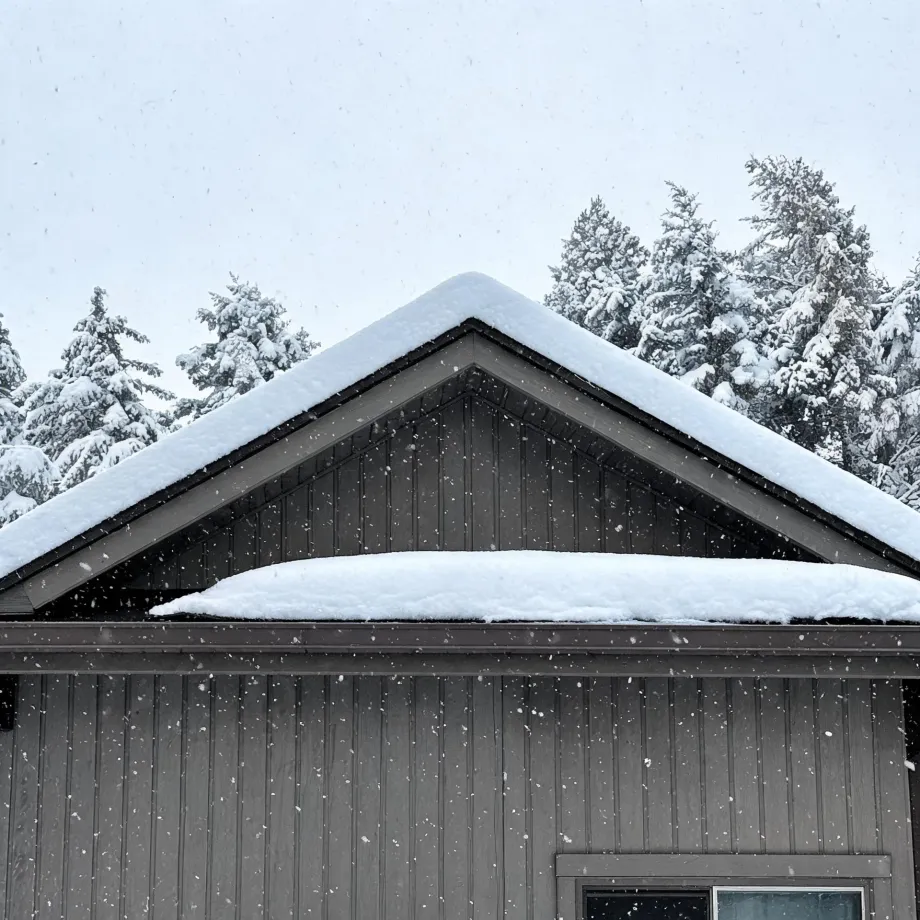
A contractor quoting a boiler installation in Mesa County has to treat sizing as a local engineering decision, not a catalog lookup. Homes in Mesa County, CO run heat about nine months a year, from September through May. The heat exchanger and burner in a correctly sized boiler carry that load steadily; in an undersized one, the burner short-cycles to compensate, and the ignition system pays for it first. A boiler that would last adequately somewhere with a brief heating season will show flawed installation choices here much sooner, simply because the equipment rarely stops running long enough to hide them.
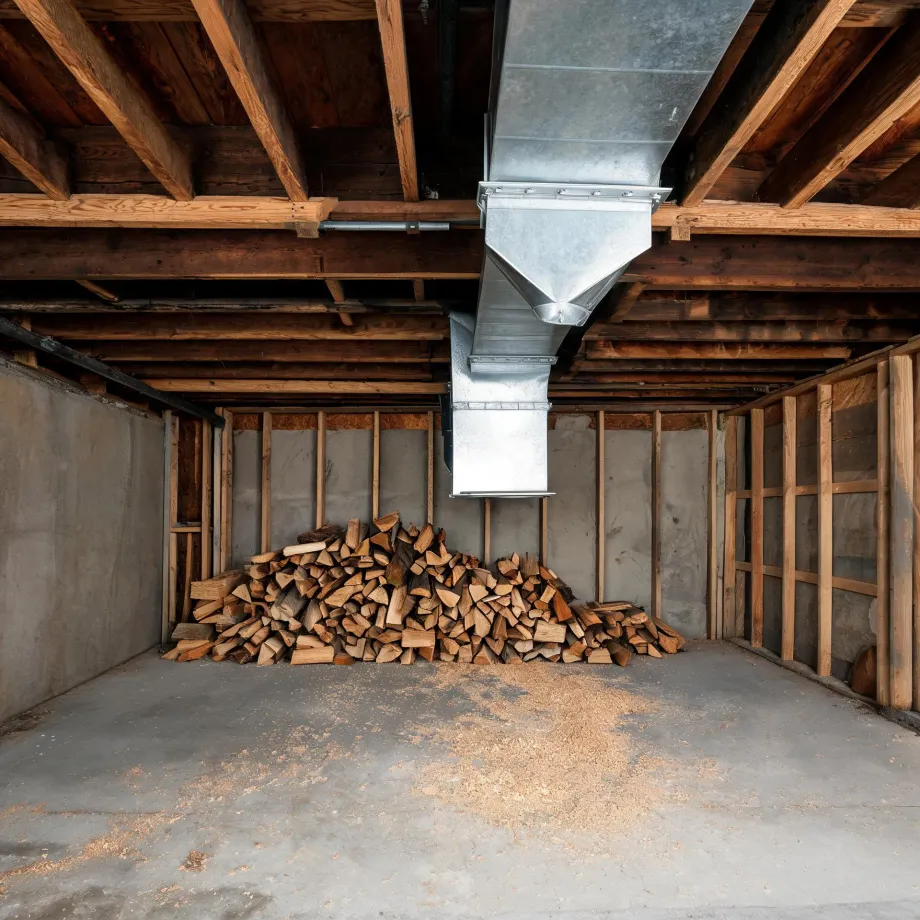
Existing ductwork and distribution layouts were put in for whatever heated the house originally, and in Mesa County that original system is often long gone. Half the homes in Mesa County, Colorado were built in 1987 or earlier (2020-2024 ACS 5-year). A contractor sizing a boiler replacement has to trace what the house actually routes heat through now, not assume the current layout fits the new equipment. Where it does not, the distribution side of the job drives the scope more than the unit itself.
What Gets Installed With a New Boiler
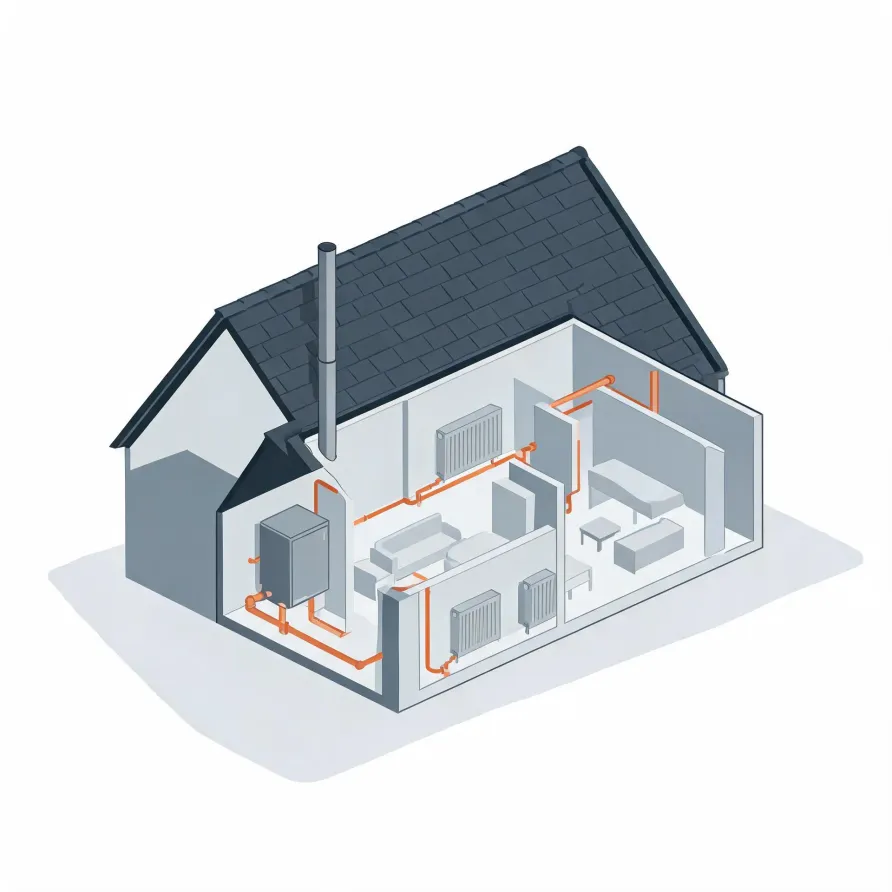
The boiler itself sits in a mechanical room, basement, or utility closet and is the heart of the system. It heats water, which a contractor then routes through the house via supply pipes. A pressure relief valve and an expansion tank mount directly to the boiler to keep the system safe and balanced.
Radiators or radiant floor tubing receive that heated water in each room and give off warmth at the point where people live. A circulator pump, typically mounted near the boiler, moves water through the loop. A thermostat goes on a main living-area wall and tells the whole system when to run.
The drawing shows a general layout of these components, and a licensed contractor determines exactly what applies to your house.
Get matched in Mesa CountyMesa County, by the numbers
350 severe weather events were recorded in Mesa County, Colorado between 2015 and 2024.
NOAA National Centers for Environmental Information, Storm Events Database, bulk CSV export, events 2015-01-01 through 2024-12-31.Half the homes in Mesa County, Colorado were built in 1987 or earlier (2020-2024 ACS 5-year).
U.S. Census Bureau, 2020-2024 American Community Survey 5-Year EstimatesMesa County, Colorado holds 69,969 housing units (2020-2024 ACS 5-year).
U.S. Census Bureau, 2020-2024 American Community Survey 5-Year EstimatesOwners occupy 72.5% of the occupied homes in Mesa County, Colorado (2020-2024 ACS 5-year).
U.S. Census Bureau, 2020-2024 American Community Survey 5-Year EstimatesSevere Weather Events in Mesa County
Boiler systems carry the full burden of keeping a home warm through whatever the local climate delivers. How hard that work gets depends on the weather record, and in Mesa County that record shapes what a properly sized, properly installed boiler needs to handle.
350 severe weather events, 2015–2024. Source: NOAA National Centers for Environmental Information, Storm Events Database.