Tell us about the job
Takes about a minute. No obligation.
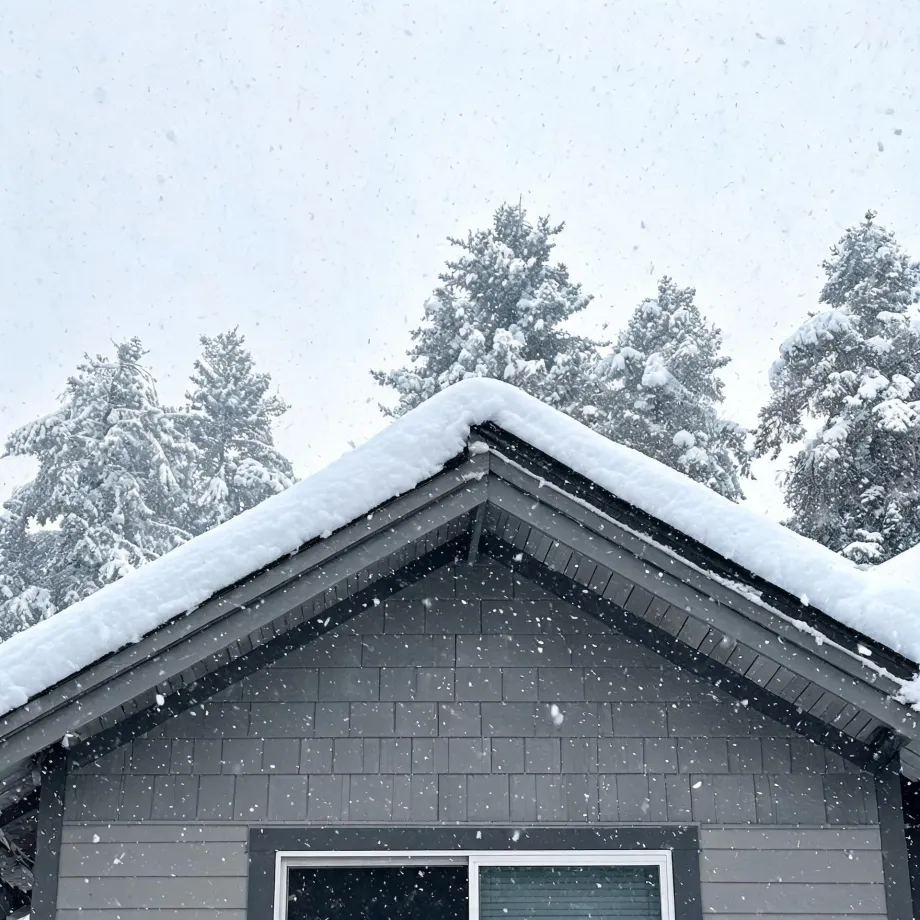
A boiler repair in Montrose County starts with the burner assembly and ignition components, because those are the parts that cycle every time the system fires. Homes in Montrose County, CO run heat about eight months a year, from October through May. Across that run, the heat exchanger expands and contracts with each call for heat, and the ignition system lights the burner each time. By the time a homeowner notices a fault, the contractor is looking at accumulated stress on specific, traceable components rather than a random failure. Gaskets harden, electrodes erode, and heat exchanger seams fatigue on a schedule tied directly to how many months the system has been working.
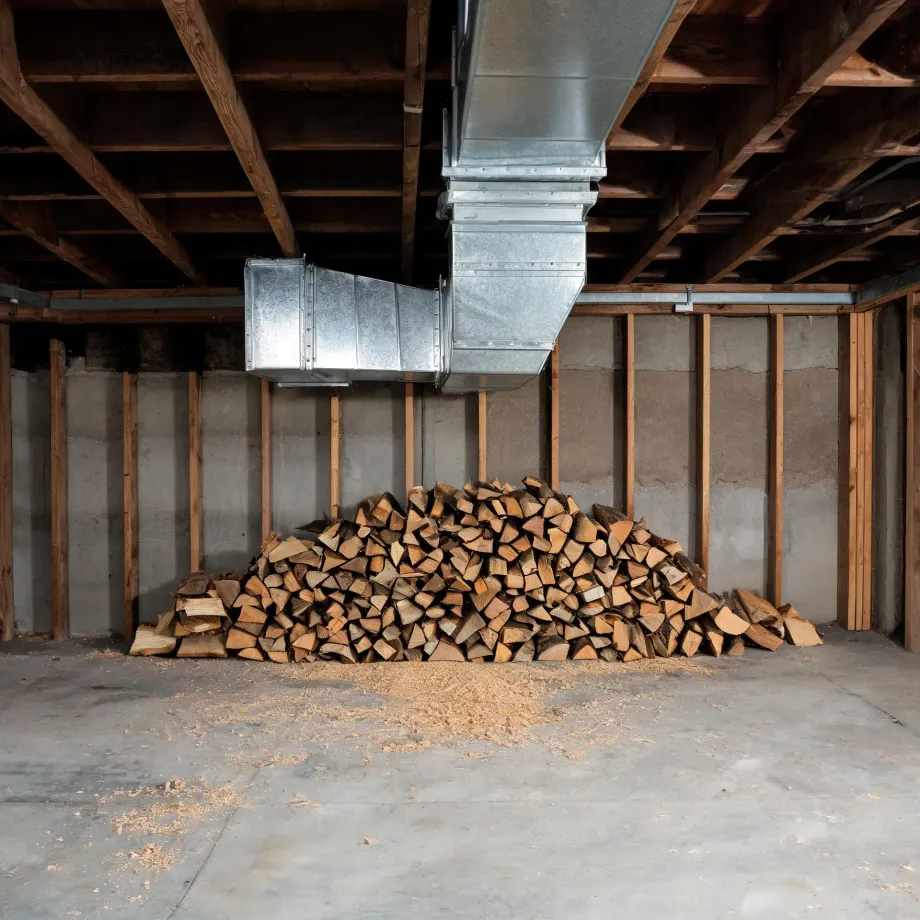
Boilers in houses here have been running long enough that the question a contractor faces once the unit is open is often not what is wrong but whether the part it needs still exists. Half the homes in Montrose County, Colorado were built in 1991 or earlier (2020-2024 ACS 5-year). A system installed into a house of that vintage was specified for the conditions of its time, and the components it takes may have moved through end-of-life cycles since. If a heat exchanger section, a zone valve, or a burner assembly is no longer in production, the contractor has to decide whether an equivalent fits the existing piping and controls or whether the repair scope changes. That decision comes from what is inside the unit, not from what the service call looked like at the door.
The Parts of a Boiler a Contractor Checks First
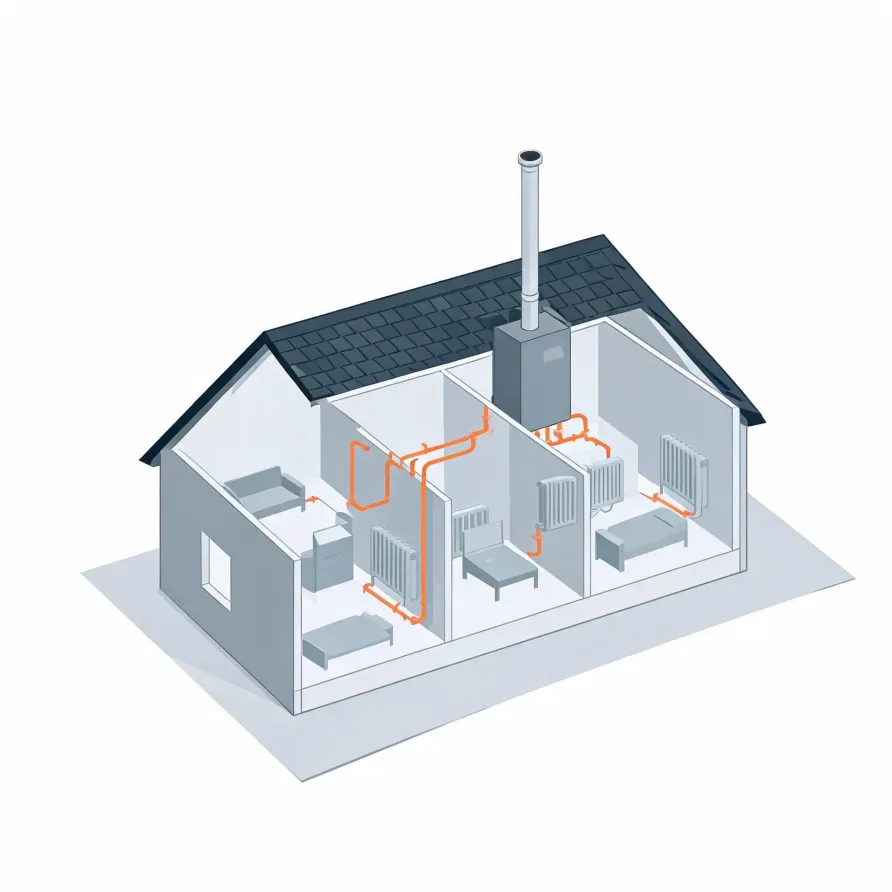
The boiler itself sits in the basement or a mechanical room and is the piece a contractor goes to first. Inside it, the heat exchanger and burner assembly are the most common sources of failure. A cracked heat exchanger, a fouled burner, or a failed ignition component will each stop the system in a different way, and a contractor reads those symptoms to narrow down which one is the problem.
From the boiler, a network of pipes carries hot water to radiators or baseboard units throughout the house, and the circulator pump mounted on those pipes is what keeps the water moving. The expansion tank, pressure relief valve, and aquastat all sit close to the boiler and each one is a point a contractor checks when pressure, temperature, or circulation is off.
The drawing shows a typical boiler layout, and a licensed contractor determines which components apply and what condition they are in for this specific house.
Get matched in Montrose CountyMontrose County, by the numbers
260 severe weather events were recorded in Montrose County, Colorado between 2015 and 2024.
NOAA National Centers for Environmental Information, Storm Events Database, bulk CSV export, events 2015-01-01 through 2024-12-31.Half the homes in Montrose County, Colorado were built in 1991 or earlier (2020-2024 ACS 5-year).
U.S. Census Bureau, 2020-2024 American Community Survey 5-Year EstimatesMontrose County, Colorado holds 19,758 housing units (2020-2024 ACS 5-year).
U.S. Census Bureau, 2020-2024 American Community Survey 5-Year EstimatesOwners occupy 75.4% of the occupied homes in Montrose County, Colorado (2020-2024 ACS 5-year).
U.S. Census Bureau, 2020-2024 American Community Survey 5-Year EstimatesSevere Weather Events in Montrose County
Extreme weather puts real strain on boiler systems, pushing them to run harder and longer than ordinary conditions demand. How often that happens in Montrose County shapes what local equipment endures and what repair needs look like here.
260 severe weather events, 2015–2024. Source: NOAA National Centers for Environmental Information, Storm Events Database.