Tell us about the job
Takes about a minute. No obligation.
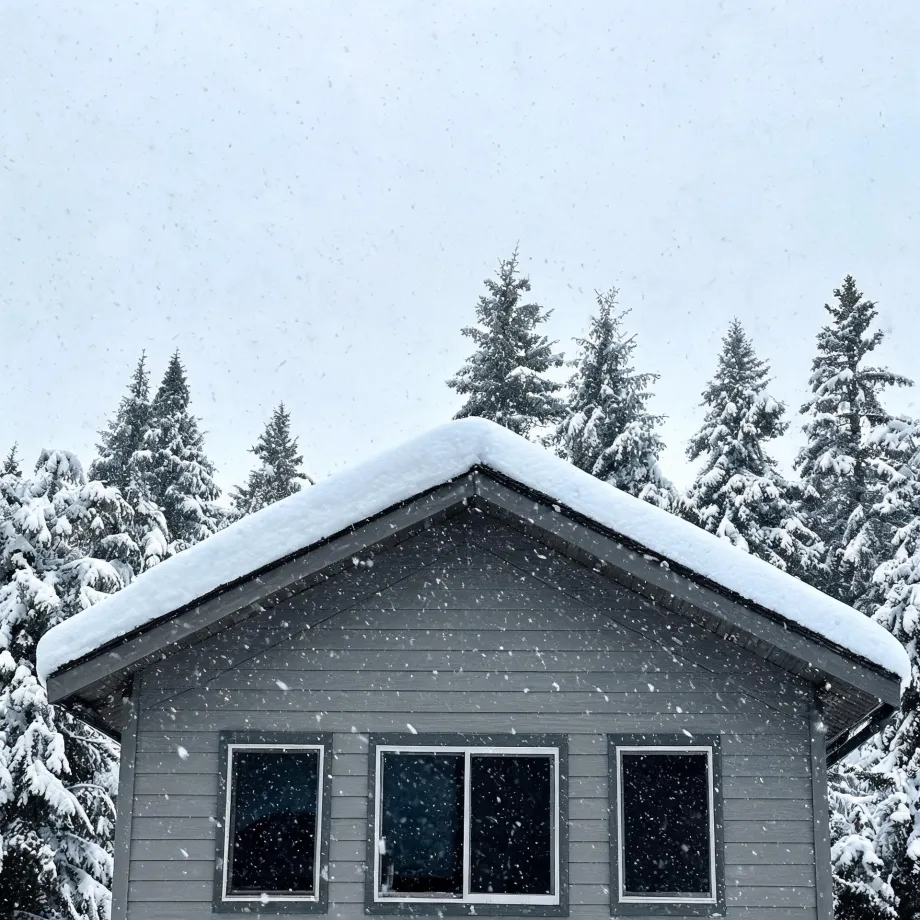
A boiler repair in Jefferson County starts with the parts that do the most work. Homes in Jefferson County, CO run heat about nine months a year, from September through May. The burner and ignition system cycle on and off through those months, and that cycling is where wear concentrates. A heat exchanger that has fired through that load will show fatigue at its seams and joints before its controls give out. Contractors who skip the ignition assembly and go straight to the heat exchanger miss where the hours actually land.
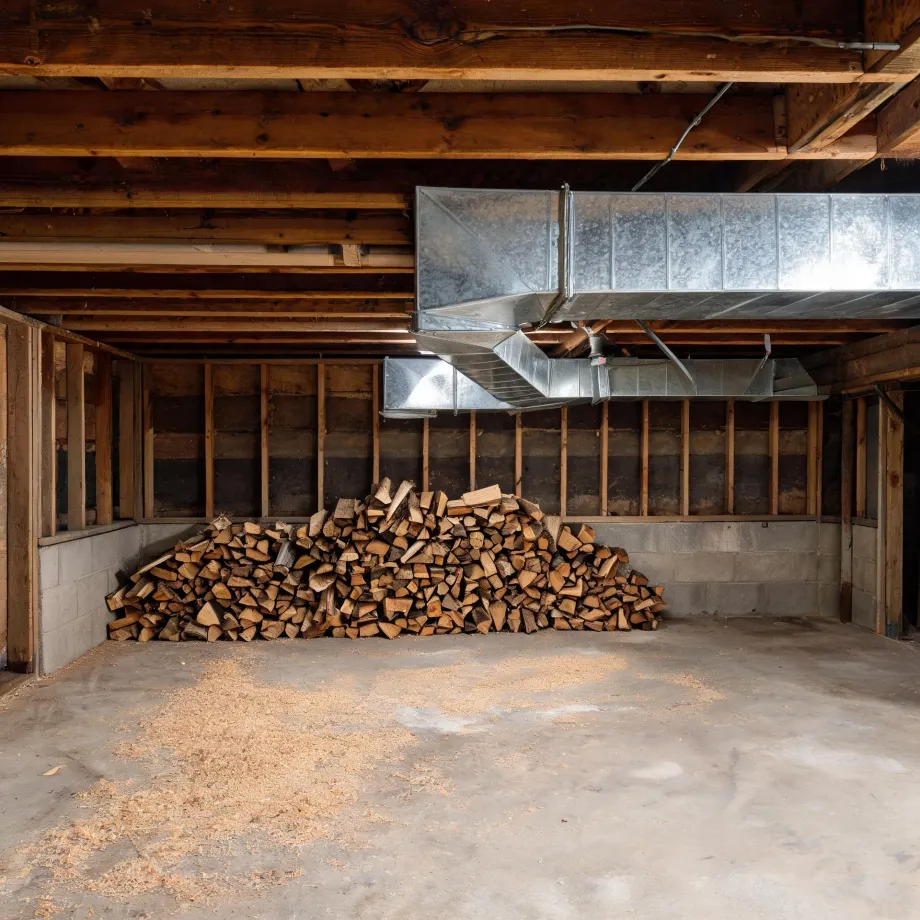
Boilers in houses built for an earlier era of heating often ran on equipment whose replacement parts have since left the market. Half the homes in Jefferson County, Colorado were built in 1980 or earlier (2020-2024 ACS 5-year). When a contractor opens a boiler in stock like this, what decides the repair scope is whether the valve, heat exchanger section, or burner assembly inside is still being made at all. If it is, the job prices one way. If the part has been discontinued, the contractor is sourcing from salvage or quoting a full replacement, and those are different jobs with different timelines.
The Parts of a Boiler a Contractor Checks First
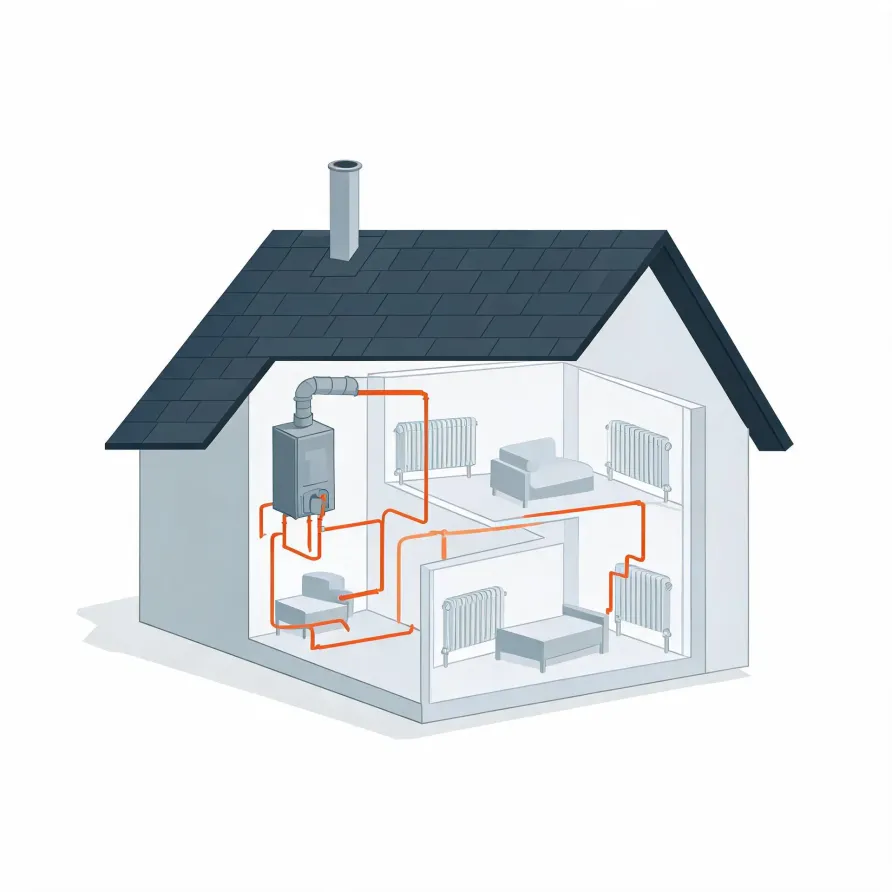
The boiler itself sits in a mechanical room, basement, or utility closet and is where water gets heated. A contractor working a repair call starts here, checking the heat exchanger, burner assembly, and ignition components, because a fault in any of them tends to show up as no heat or inconsistent heat across the house.
Radiators or baseboard units sit in the living spaces and are what the homeowner feels when something is off. Circulator pumps move heated water through the pipes that connect everything, and the expansion tank and pressure relief valve sit close to the boiler to keep the system at a safe working pressure. A contractor checks these pieces when the boiler itself looks clean.
The drawing shows a typical layout, and a licensed contractor determines which components apply to your specific system and what repair work those components need.
Get matched in Jefferson CountyJefferson County, by the numbers
381 severe weather events were recorded in Jefferson County, Colorado between 2015 and 2024.
NOAA National Centers for Environmental Information, Storm Events Database, bulk CSV export, events 2015-01-01 through 2024-12-31.Half the homes in Jefferson County, Colorado were built in 1980 or earlier (2020-2024 ACS 5-year).
U.S. Census Bureau, 2020-2024 American Community Survey 5-Year EstimatesJefferson County, Colorado holds 253,574 housing units (2020-2024 ACS 5-year).
U.S. Census Bureau, 2020-2024 American Community Survey 5-Year EstimatesOwners occupy 70.7% of the occupied homes in Jefferson County, Colorado (2020-2024 ACS 5-year).
U.S. Census Bureau, 2020-2024 American Community Survey 5-Year EstimatesSevere Weather Events in Jefferson County
Boilers work hardest when outside conditions push hardest against them. How often Jefferson County sees severe weather shapes how much strain local heating systems absorb over time, and that strain is what drives repair demand.
381 severe weather events, 2015–2024. Source: NOAA National Centers for Environmental Information, Storm Events Database.