Tell us about the job
Takes about a minute. No obligation.
Homes in El Paso County, CO run heat about nine months a year, from September through May. A boiler cycling through a season that long puts the burner, heat exchanger, and ignition system through a heavy count of starts and shutdowns. Those are the parts that show wear first, and a contractor diagnosing a repair here checks combustion components before moving to controls or piping. Cracked heat exchangers and worn igniter assemblies are the common finds, not because the equipment is old, but because the hours add up.
Boilers in houses like the ones that make up this county's stock tend to accumulate a repair history as layered as the houses themselves. Half the homes in El Paso County, Colorado were built in 1989 or earlier (2020-2024 ACS 5-year). That puts a contractor opening a boiler here in a different position than the age of the unit alone suggests: the zone valves, expansion tanks, and circulator pumps may have been swapped at different points by different hands, and what is currently inside the system is not always what the model number implies. A parts search that starts with the nameplate sometimes ends with a different answer once the system is open.
The Parts of a Boiler a Contractor Checks First
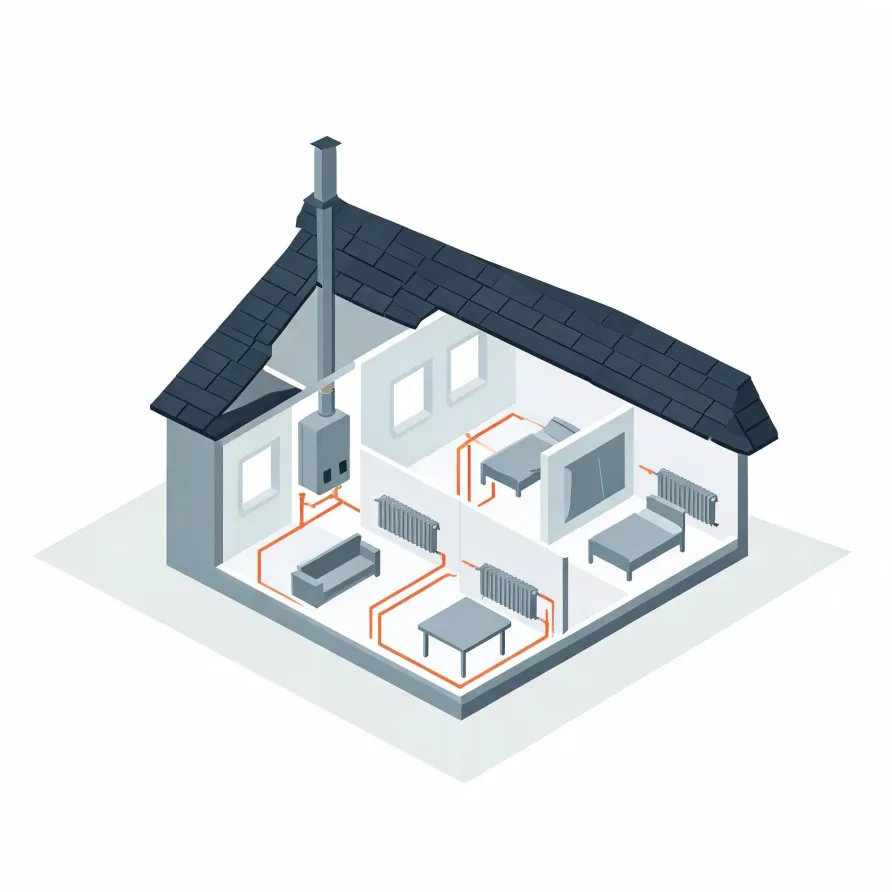
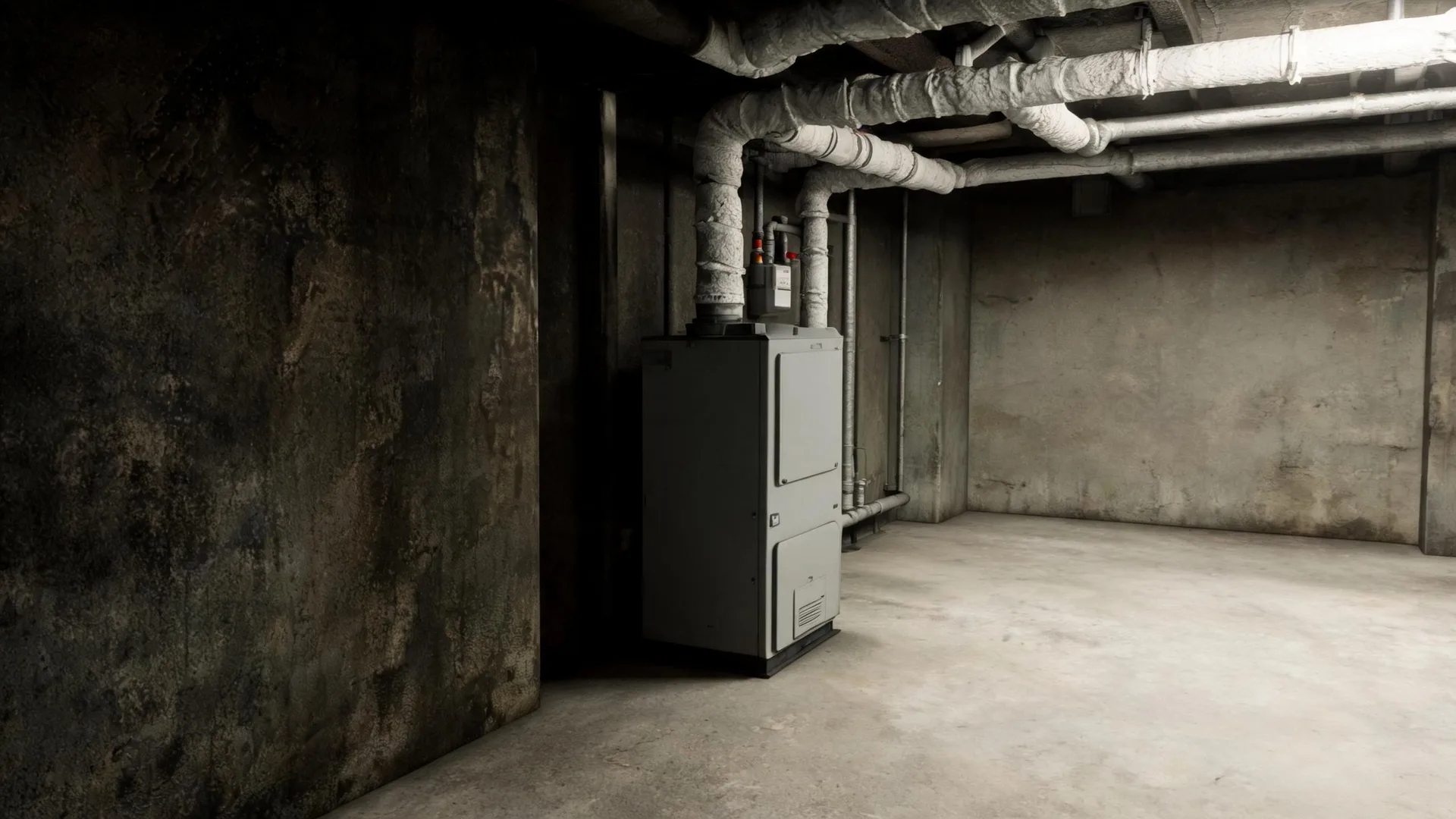
The boiler itself sits in the basement or mechanical room and is the piece a contractor goes to first. It heats water and pushes it through the system. When pressure is wrong, the unit short-cycles, or heat stops reaching rooms, the boiler's burner assembly, heat exchanger, or pressure relief valve is usually where the problem lives.
Pipes carry heated water from the boiler to radiators or baseboard units placed along exterior walls and in each room. The circulator pump, which drives water through those pipes, and the expansion tank, which manages pressure buildup, sit close to the boiler and are common sources of circulation and pressure faults.
The drawing shows a general layout of these components, and a licensed contractor determines which parts apply and what needs attention in your specific home.
Get matched in El Paso CountyEl Paso County, by the numbers
1,277 severe weather events were recorded in El Paso County, Colorado between 2015 and 2024.
NOAA National Centers for Environmental Information, Storm Events Database, bulk CSV export, events 2015-01-01 through 2024-12-31.Half the homes in El Paso County, Colorado were built in 1989 or earlier (2020-2024 ACS 5-year).
U.S. Census Bureau, 2020-2024 American Community Survey 5-Year EstimatesEl Paso County, Colorado holds 303,482 housing units (2020-2024 ACS 5-year).
U.S. Census Bureau, 2020-2024 American Community Survey 5-Year EstimatesOwners occupy 66.2% of the occupied homes in El Paso County, Colorado (2020-2024 ACS 5-year).
U.S. Census Bureau, 2020-2024 American Community Survey 5-Year EstimatesSevere Weather Events in El Paso County
Boilers work harder when outdoor conditions swing hard, and El Paso County puts real pressure on heating systems over the course of a year. That workload is local, which is why local repair experience matters.
1,277 severe weather events, 2015–2023. Source: NOAA National Centers for Environmental Information, Storm Events Database.