Tell us about the job
Takes about a minute. No obligation.
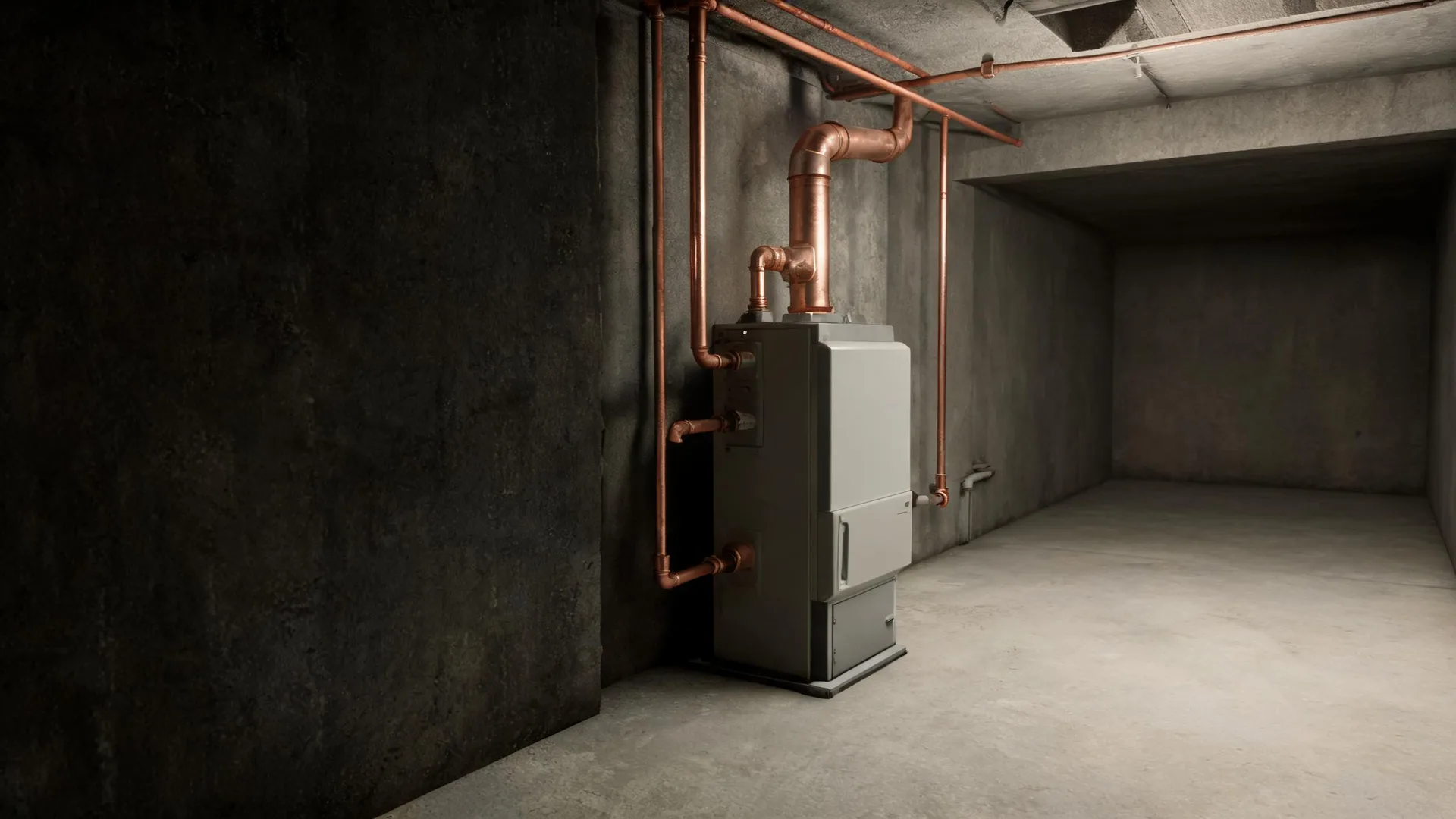
A contractor pricing a boiler repair in Boulder County has to establish how hard the equipment has been running before the scope of the repair makes sense. Homes in Boulder County, CO run heat about ten months a year, from September through June. Burners and heat exchangers that cycle through a season that long accumulate wear on ignition components, seals, and the exchanger surfaces themselves, and a repair that looks minor on paper can sit on top of damage the initial call did not reveal. The contractor who opens the system and inspects what is there gives a quote that holds.
Half the homes in Boulder County, Colorado were built in 1986 or earlier (2020-2024 ACS 5-year). A boiler that needs repair here is often sitting inside a distribution system that has never been touched. The contractor opens the unit and finds a serviceable heat exchanger or a failed circulator pump, but the pipe runs, zone valves, and expansion tank around it are original to the house and showing the same wear. A repair scoped only to the boiler can fix the immediate fault and leave the surrounding system a month away from its own failure. Contractors quoting boiler work in this county check the distribution side before they price anything.
The Parts of a Boiler a Contractor Checks First
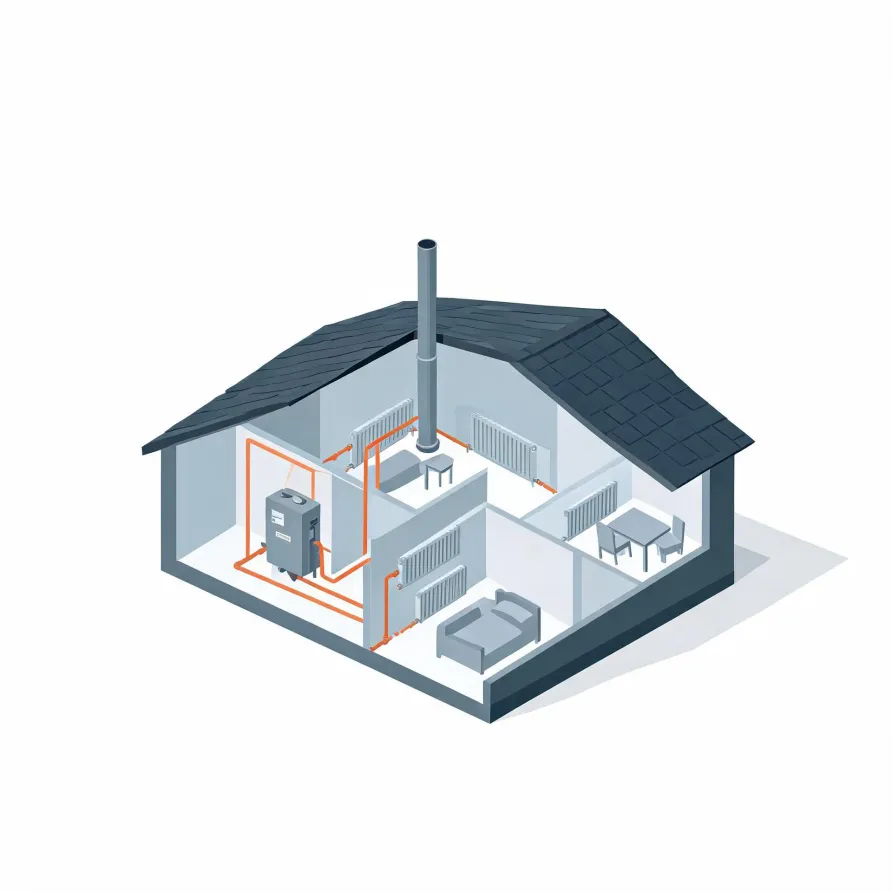
The boiler itself sits in the basement or a mechanical room and is the piece a contractor goes to first. It heats water and pushes it through the system. When the boiler is the problem, the signs show up as no heat at all, short cycling, or strange sounds from the unit itself.
Radiators or baseboard units sit throughout the living space and release heat into each room. The circulator pump moves hot water from the boiler to those points and back. Valves at the boiler and at individual radiators control flow, and a failing valve or a worn pump often explains why one zone goes cold while others stay warm.
The drawing shows a typical boiler layout, and a licensed contractor will determine which components apply to your specific setup.
Get matched in Boulder CountyBoulder County, by the numbers
408 severe weather events were recorded in Boulder County, Colorado between 2015 and 2024.
NOAA National Centers for Environmental Information, Storm Events Database, bulk CSV export, events 2015-01-01 through 2024-12-31.Half the homes in Boulder County, Colorado were built in 1986 or earlier (2020-2024 ACS 5-year).
U.S. Census Bureau, 2020-2024 American Community Survey 5-Year EstimatesBoulder County, Colorado holds 144,729 housing units (2020-2024 ACS 5-year).
U.S. Census Bureau, 2020-2024 American Community Survey 5-Year EstimatesOwners occupy 62.0% of the occupied homes in Boulder County, Colorado (2020-2024 ACS 5-year).
U.S. Census Bureau, 2020-2024 American Community Survey 5-Year EstimatesSevere Weather in Boulder County
Boilers in Boulder County work against whatever the local climate puts them through, and Colorado's Front Range weather can be hard on heating systems year over year. The record below shows what the county has faced, because the workload a boiler carries is a local fact, not a generic one.
408 severe weather events, 2015–2024. Source: NOAA National Centers for Environmental Information, Storm Events Database.