
Boiler losing pressure in Denver, CO
Send it once and finding someone is no longer on you.
Hand it offWhy does my boiler keep losing pressure?
You keep bleeding the system or topping it off at the filling loop, and a day or two later the gauge has dropped again. That's not normal wear. A boiler that holds pressure should stay put for weeks or months at a time, so if yours keeps sliding back down, something is letting water or pressure out faster than it should, and it's worth tracking down before it leaves you with no heat on a cold night.
Usually a slow water leak somewhere in the system, or a failing pressure relief valve
Most of the time the cause is a leak, and it doesn't have to be a puddle under the boiler. It can be a radiator valve seeping, a joint in the pipework, or a drip from the pressure relief valve itself if it's starting to fail. Winters here put a lot of hours on a boiler, and that extra run time means more chances for a weak seal or fitting to let go. A bad expansion vessel can also cause this, since it's supposed to absorb the pressure changes as water heats and cools. If you're adding water more than once every few weeks, get it looked at rather than just keeping the loop handy.




Why does losing pressure matter so much for a Denver boiler?
Winter nights average 19°F
Nights average 19°F here in December, January and February. A boiler that drops pressure and shuts down on a night that cold leaves a house with no backup heat source.
Heat runs October through May
Boilers in Denver County run from October through May, about eight months of the year. A slow leak has that whole stretch to turn into a bigger repair.
60.8% of homes heat with gas
60.8% of homes in Denver County heat with gas, most of them likely through a boiler like yours. A pressure problem left alone tends to get worse, not better, over a long heating season.
NOAA nClimDiv 1991-2020 · ACS 2020-2024
A boiler that keeps losing pressure usually means a slow leak somewhere in the system, at a radiator valve, a pipe joint, or the pressure relief valve itself, and it will not fix itself by topping it off. Left alone through a Denver winter, the risk is a lockout on one of those nights in the teens when the heat matters most. You will likely notice it first as rooms that will not get warm, or a boiler that fires and then cuts out, or water stains near a valve or fitting you had not paid attention to before. If the leak is small, you might only see the gauge creeping down over a week. If it is at a seal or valve under real pressure, it can show up faster, with a damp patch on the floor or a faint smell of mineral deposits where water has been drying. Either way, the pressure loss is a symptom of something specific that a contractor can find and repair, not a setting you can adjust your way out of.


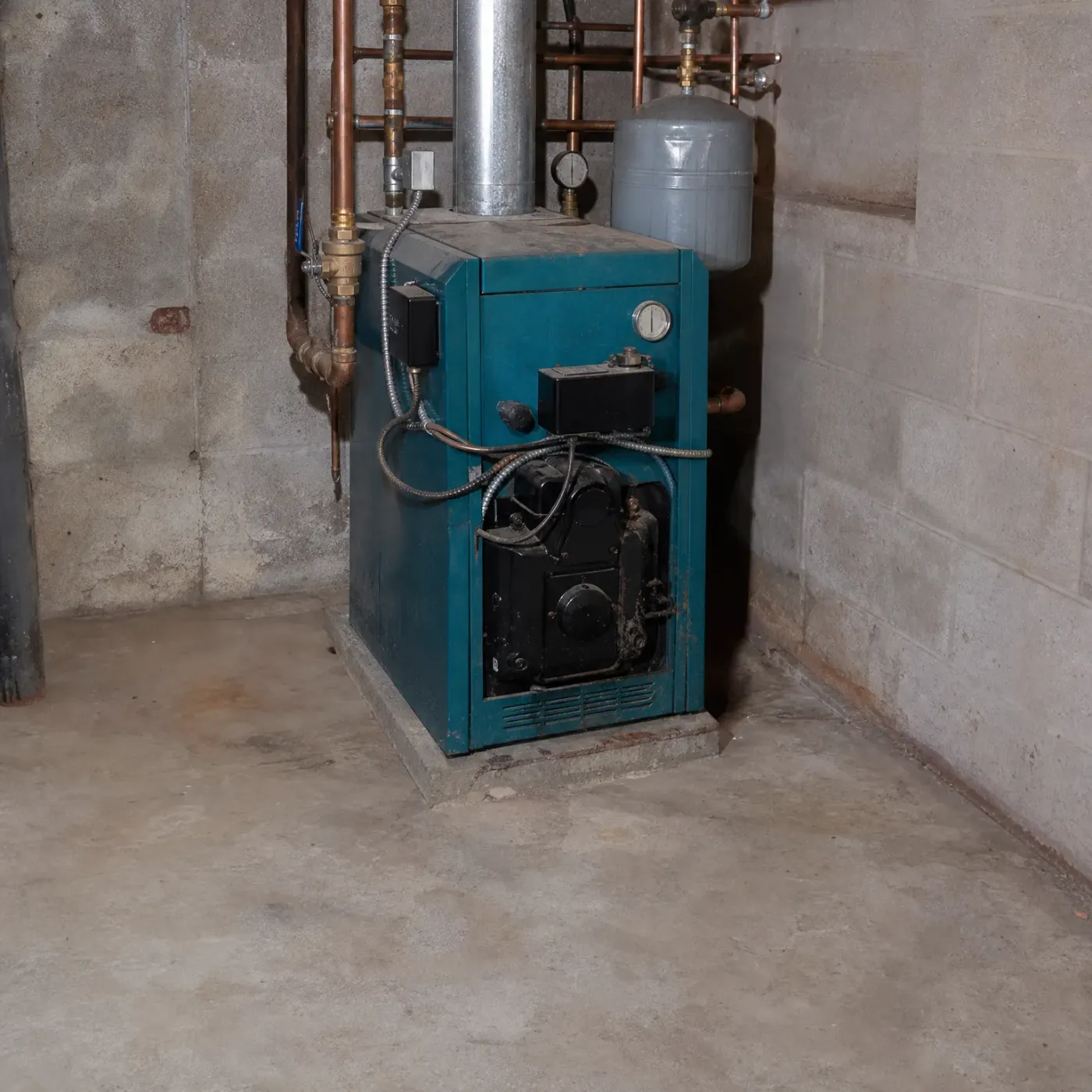
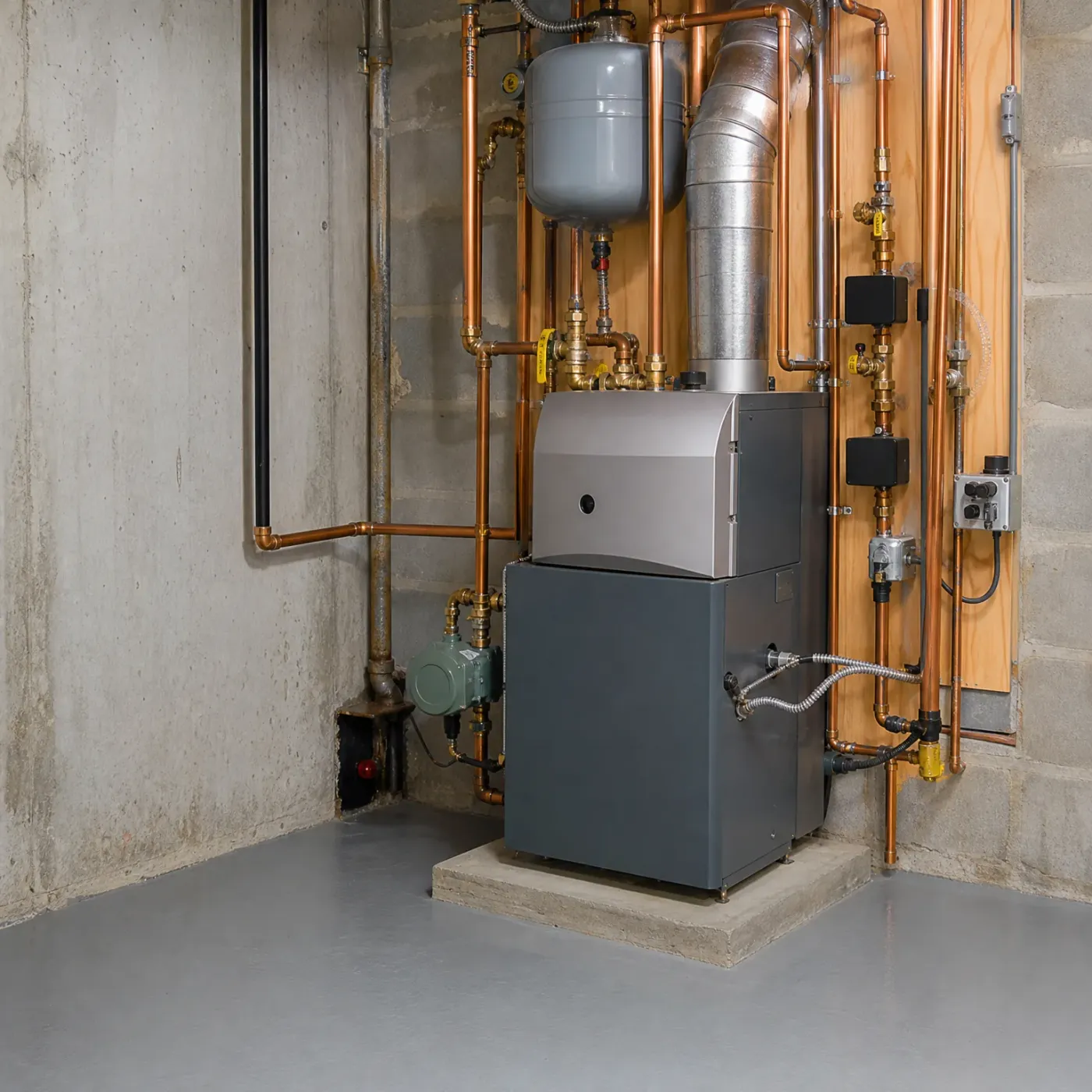
A sealed boiler system holds a fixed amount of water, and that water expands as it heats. The expansion tank is built to absorb that swing, so pressure moves up a little during a heating cycle and settles back down once things cool. That's normal and not a reason to worry. A real problem starts small, usually at a joint, a radiator valve, or the pressure relief valve, and shows up as pressure that drops and stays down rather than swinging back. The relief valve itself can be the culprit. It's there to open under true overpressure, but a worn one opens too easily and drips water out with no overpressure at all. An expansion tank that has lost its air charge causes the same thing from a different angle. It can't take up the water's expansion anymore, so that extra volume has to go somewhere, and it goes out through the relief valve. Some of this water never reaches the floor. It evaporates as steam or gets drawn back into the system, leaving only a dried white or gray trace near the joint or valve where it got out. Refilling at the loop puts water back in, but it doesn't touch whatever let it out in the first place.
Where the water actually goes
- Water in a sealed boiler system expands and contracts as it heats and cools, so a small pressure swing during a heating cycle is normal.
- A true leak usually shows up first at the weakest points: a radiator bleed valve that was not closed fully, a pipe joint, or the pressure relief valve.
- The pressure relief valve is designed to open and release water if pressure climbs too high, and a valve that opens too easily will drip even without a real overpressure problem.
- An expansion tank that has lost its air charge can no longer absorb the water's expansion, so the system pushes the extra volume out through the relief valve instead.
- Some leaks never reach the floor because the water evaporates as steam or gets reabsorbed into the system before it pools, leaving only dried mineral traces behind as a clue.
- Topping off the pressure at the filling loop without finding the leak just refills the same water that is going to leak out again.
It's off your list after this

Explain the boiler problem once instead of to every shop in Denver County.
No fee to send it, and nothing to sign.
What the pressure gauge is telling you
The gauge on the front of the boiler usually runs from 0 to 4 bar, with a marked band around 1 to 1.5 bar for a cold system. That band is the target. Below it, there is not enough water in the system for the pump to circulate properly, and the boiler will lock out rather than run dry. Above it, the pressure relief valve can start to weep on its own. If you have been watching the needle sit under 1 and drift lower over a few days, that is the system telling you water is leaving it somewhere, not that the gauge needs resetting.
Why topping it off stops working
Refilling at the loop raises the number on the gauge, but it does not touch whatever let the water out in the first place. Each time you add water, it carries dissolved oxygen into a system that was sealed to keep air out, and that oxygen works on the steel and cast iron parts inside the boiler and radiators. A leak that drops the pressure once a month is a different repair than one dropping it every few days, and a contractor checking the system will want to know how often you have had to refill it, not just where the needle sits today.
Winter nights average 19°F
At 19°F, a boiler that loses pressure and locks out isn't a minor fault to leave until morning. Your radiators go cold fast, and pipes left without heat overnight in that kind of cold are what lead to a freeze.
NOAA nClimDiv 1991-2020
A slow leak with no obvious source
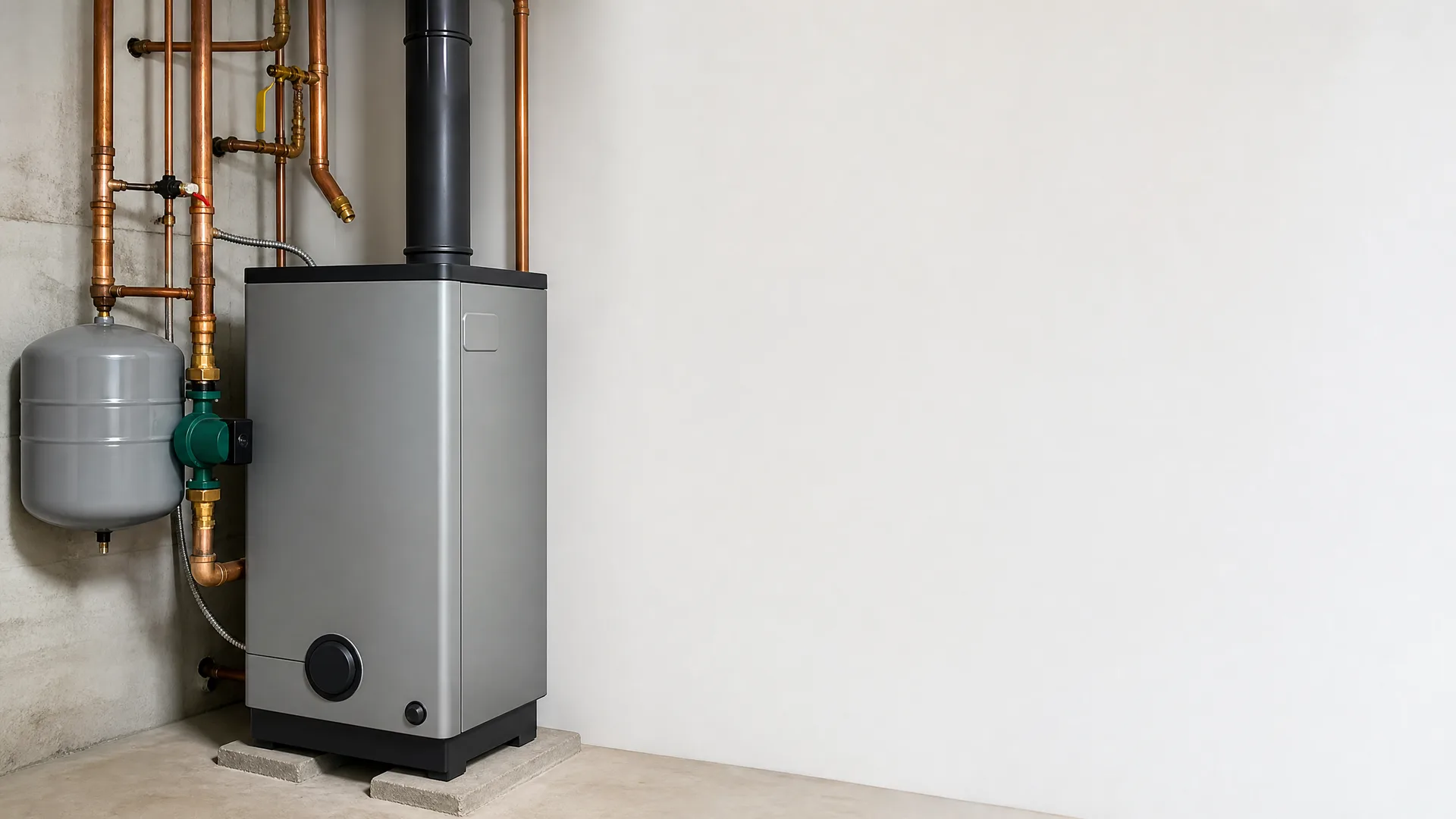
Sometimes the water loss isn't at any single fitting. It's a pinhole in a pipe run behind a wall, a weeping joint under the floor, or corrosion inside a radiator that only shows as a damp patch on the carpet. These don't announce themselves the way a dripping valve does. A contractor checks the easy spots first, then works through the harder ones with pressure testing until the leak shows itself.
When the fault is in the boiler itself
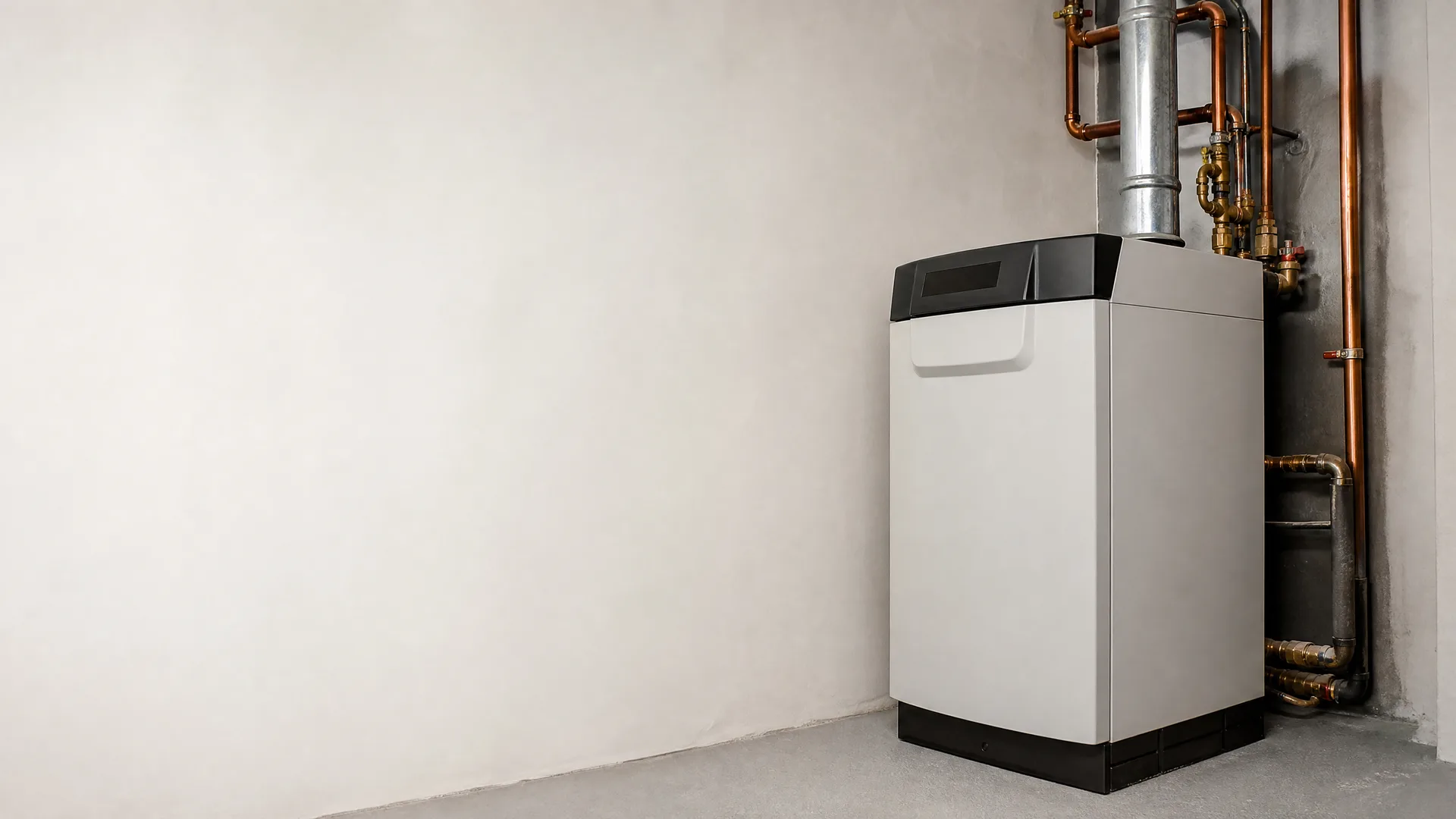
Not every pressure drop comes from a leak. The expansion vessel inside the boiler can lose its charge over time, so it stops absorbing the normal rise in pressure during a heating cycle and the system vents water through the relief valve instead. The automatic air vent can also stick open and let pressure bleed off slowly. Both are internal boiler parts, not plumbing, and both get fixed by replacing the part, not by chasing pipework.
Refill It Yourself, or Fix the Leak
Topping it off yourself
- You keep an eye on the gauge and add water at the filling loop whenever it drops below the 1 to 1.5 bar band.
- The leak keeps losing water at whatever rate it's losing it, so you're back at the filling loop every few days or sooner.
- You have no way to see a leak inside a wall or under a floor, so you're only buying time against a problem that is still active.
- If the boiler locks out overnight on a cold night, nobody is there to repressurize it until morning.
- Repeated low-pressure lockouts and repeated topping off put wear on the pump and other parts that a steady system doesn't see.
- A corroded radiator or a pinhole in a pipe run doesn't improve on its own, no matter how often you refill the loop.
Having it repaired
- A contractor pressurizes the system and checks each likely point, radiator valves, pipe joints, the pressure relief valve, to find where the water is actually going.
- Once the leak is found and sealed, the gauge holds in the 1 to 1.5 bar band on its own, without you touching the filling loop.
- The boiler stops cycling through low-pressure lockouts, so it keeps running on the nights it's needed most.
- A repair catches a hidden leak, behind a wall or under a floor, before it causes damage you can't see yet.
- You stop watching the gauge and refilling the loop, and the boiler goes back to just running.
- Finding the right contractor, explaining the problem, and sorting through quotes is no longer something you have to do yourself.
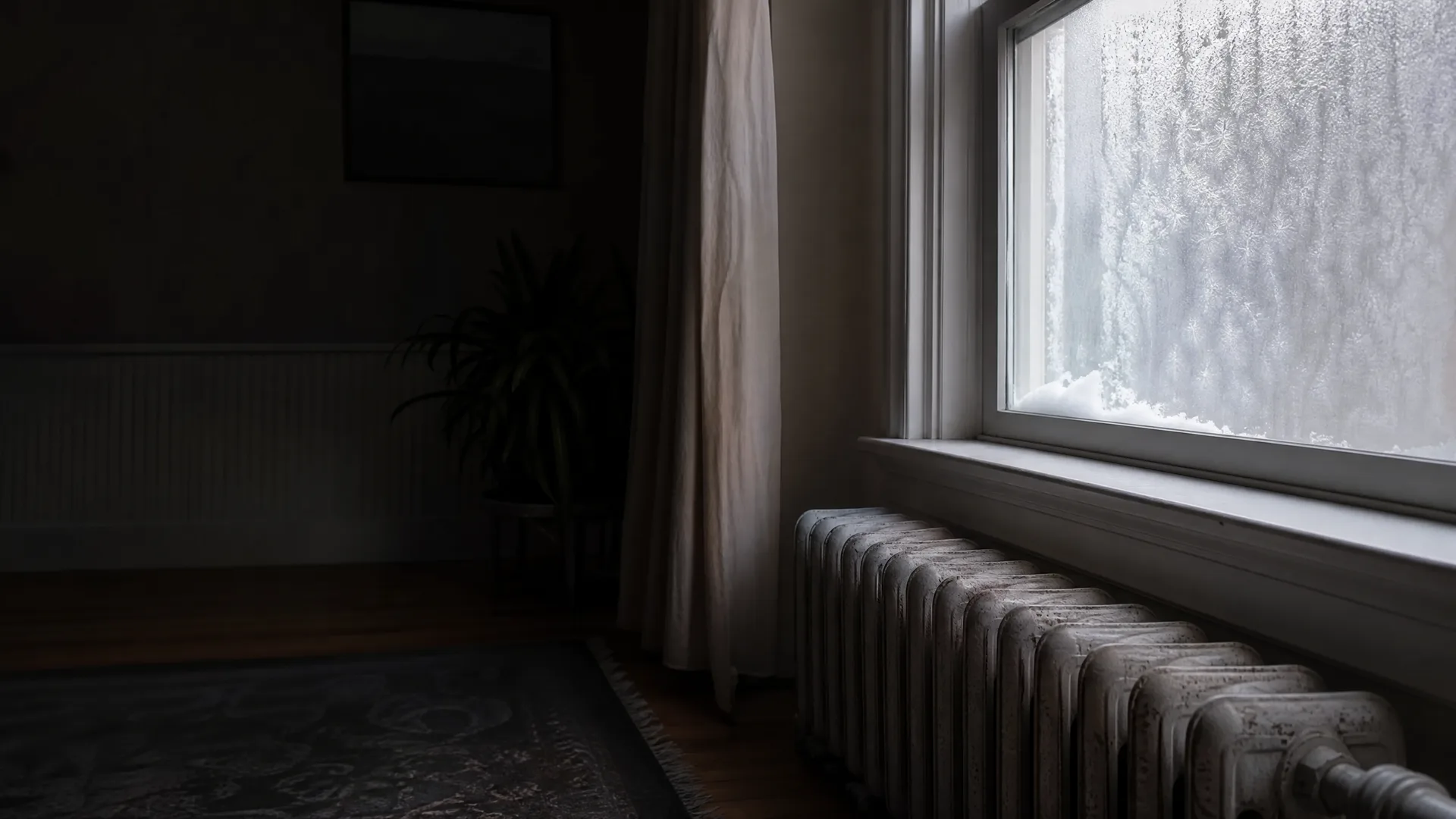
It's just past six on a January morning and the house is too quiet. You pull on a robe and walk into the living room, and the cold hits before anything else does. The radiator under the window is stone cold, and the glass above it has gone white with ice on the inside. Outside it's still dark, somewhere near 19 degrees. You crouch down and check the gauge on the boiler in the hall. The needle sits under the band, near zero. You know what that means before you touch anything else. The house will stay this cold until someone gets water back into it.

A boiler that holds pressure is doing its job
A boiler that keeps losing pressure has a leak somewhere, and it needs a repair, not another trip to the filling loop. That's the whole answer. Once it's fixed, the gauge sits in the 1 to 1.5 bar band and stays there through a cold snap without you touching it.
Finding that leak and fixing it right isn't something to sort out by calling around on a January morning, checking licenses, and explaining the same gauge reading to three different shops before you get a quote you trust. Send the form once and that search is off your plate. You'll still need the repair done, but you won't be the one tracking down who can do it.

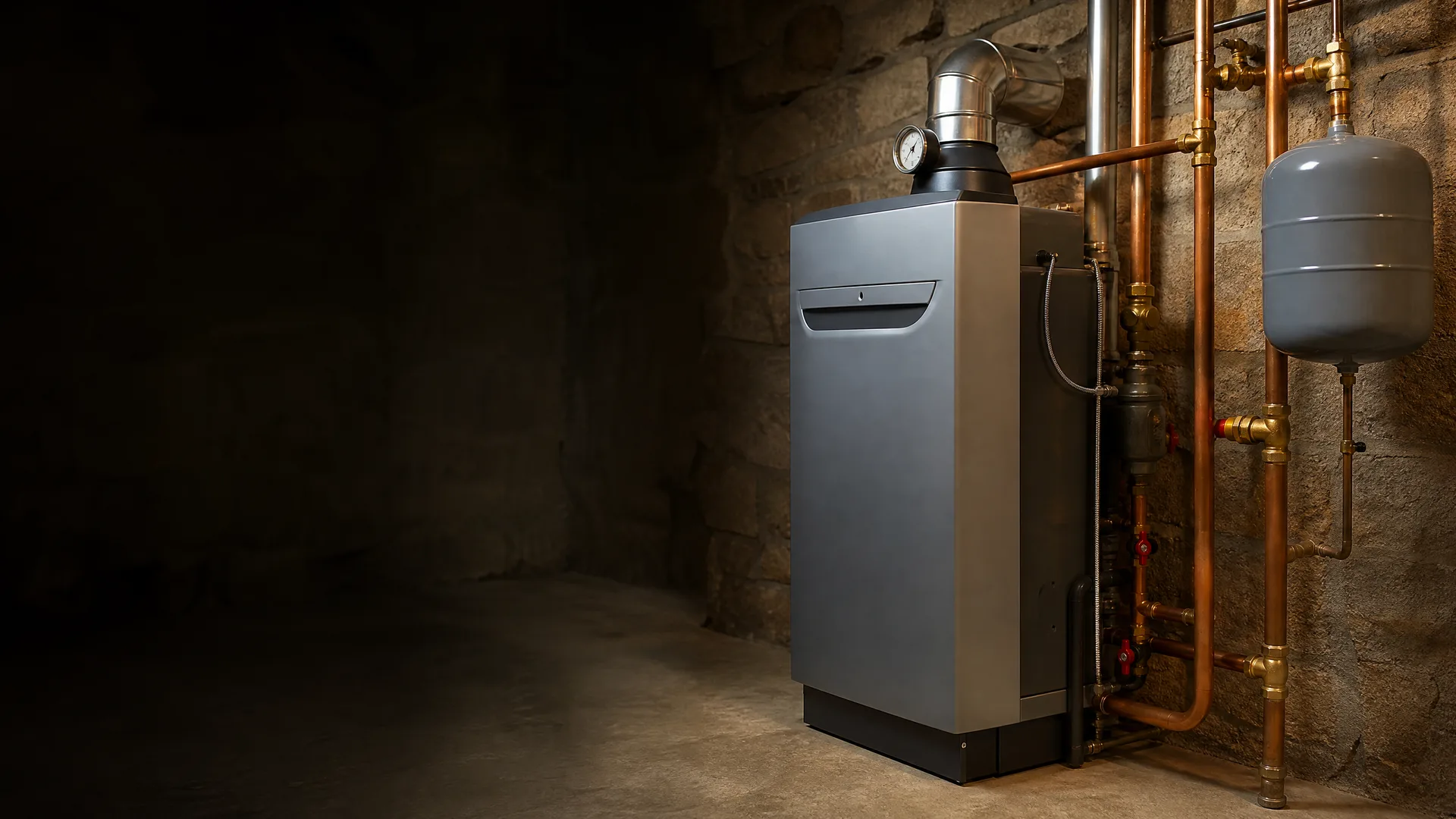
Hand off the search today