Tell us about the job
Takes about a minute. No obligation.
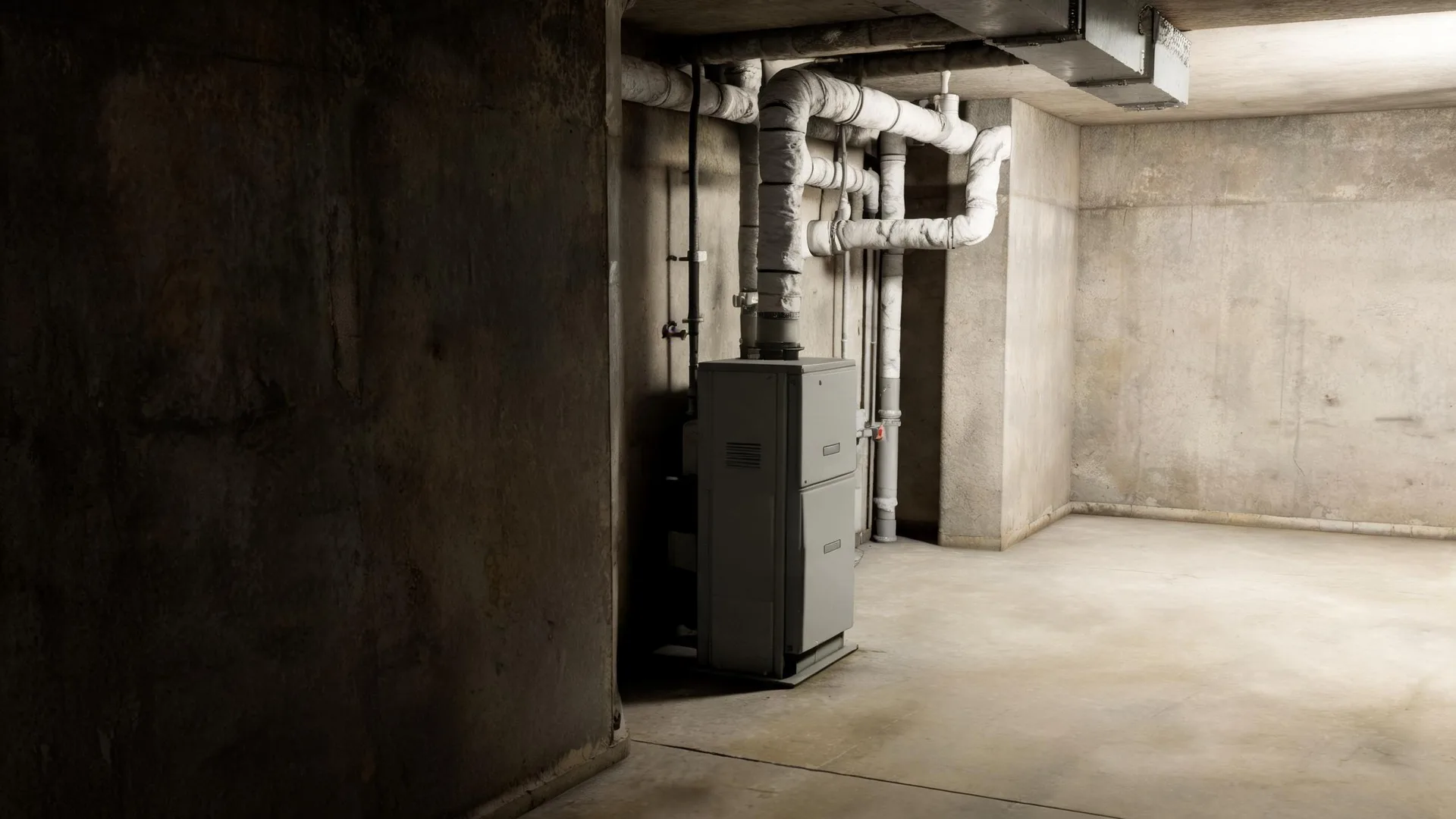
A contractor quoting a boiler installation in Las Animas County has to size the system against real seasonal load, not a rough guess. Homes in Las Animas County, CO run heat about eight months a year, from October through May. The burner and heat exchanger carry that load every cycle, every month the system runs, and an undersized or poorly sealed boiler pushes both components harder than a correctly installed one would. Combustion seals, ignition assemblies, and expansion fittings accumulate wear in proportion to runtime. A boiler that is right for this county from day one gives those parts a fighting chance at a full service life.
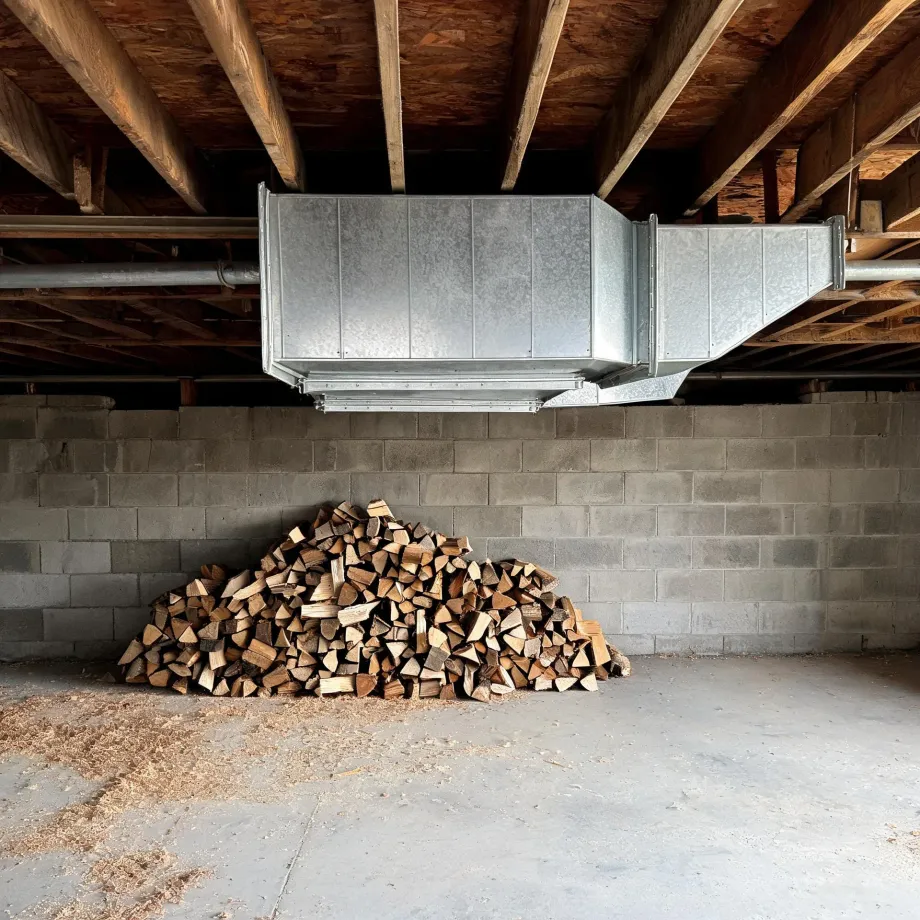
Ductwork laid out for a previous generation of heating equipment shapes what a boiler installation actually requires here. Half the homes in Las Animas County, Colorado were built in 1972 or earlier (2020-2024 ACS 5-year). That puts a contractor in older distribution systems more often than not, checking whether the existing layout moves heat to the right places at the right volumes for a modern unit. Where it does not, the work expands before the boiler itself is ever quoted. Electrical service in houses of this vintage was also sized around what those earlier systems drew, so a contractor confirms panel capacity as part of scoping the job.
What Gets Installed With a New Boiler
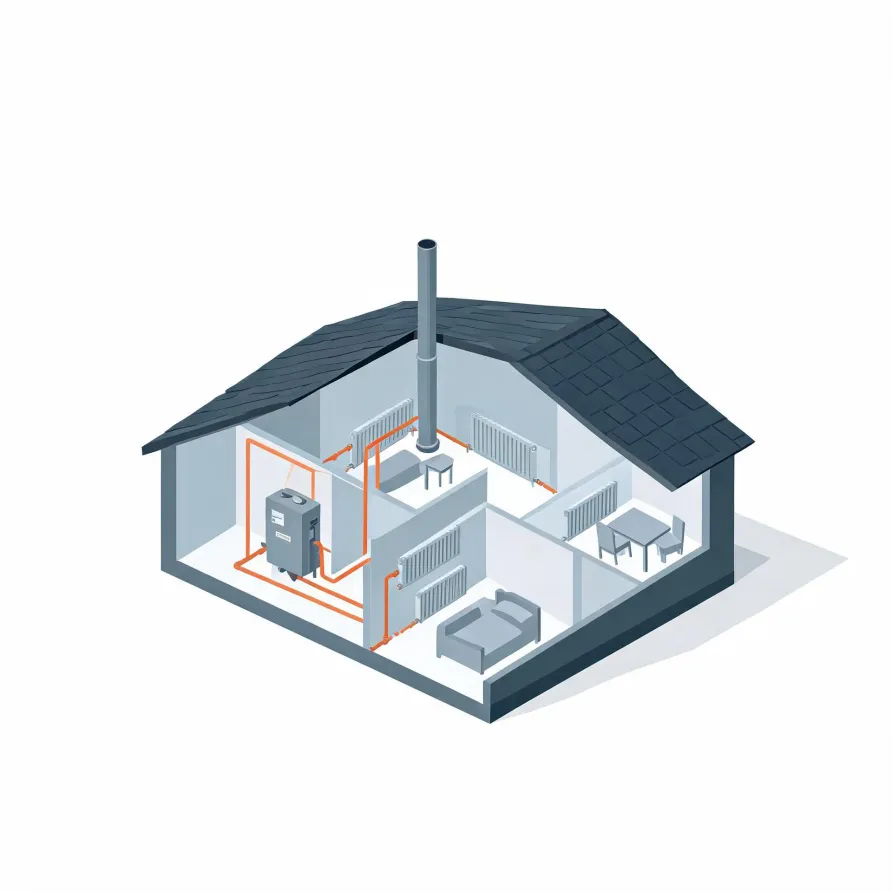
The boiler itself sits in the basement or a mechanical room and is the heart of what a contractor installs. It heats water and sends it out through a closed loop of pipes. A pressure relief valve mounts directly on the unit as a required safety device.
Radiators or radiant floor tubing sit at the far end of that loop, room by room, releasing heat where the house needs it. A circulator pump, usually mounted near the boiler, keeps the water moving. An expansion tank and shutoff valves go in at key points along the piping runs.
The drawing shows a typical layout, and a licensed contractor determines what applies to your specific home.
Get matched in Las Animas CountyLas Animas County, by the numbers
390 severe weather events were recorded in Las Animas County, Colorado between 2015 and 2024.
NOAA National Centers for Environmental Information, Storm Events Database, bulk CSV export, events 2015-01-01 through 2024-12-31.Half the homes in Las Animas County, Colorado were built in 1972 or earlier (2020-2024 ACS 5-year).
U.S. Census Bureau, 2020-2024 American Community Survey 5-Year EstimatesLas Animas County, Colorado holds 8,170 housing units (2020-2024 ACS 5-year).
U.S. Census Bureau, 2020-2024 American Community Survey 5-Year EstimatesOwners occupy 68.6% of the occupied homes in Las Animas County, Colorado (2020-2024 ACS 5-year).
U.S. Census Bureau, 2020-2024 American Community Survey 5-Year EstimatesSevere Weather Events in Las Animas County
Boiler systems in Las Animas County work against whatever the local climate demands, and that workload is shaped by how hard the weather presses on a building over time. A contractor sizing or installing heating equipment here is sizing it for these conditions, not for a regional average.
390 severe weather events, 2015–2024. Source: NOAA National Centers for Environmental Information, Storm Events Database.