Tell us about the job
Takes about a minute. No obligation.
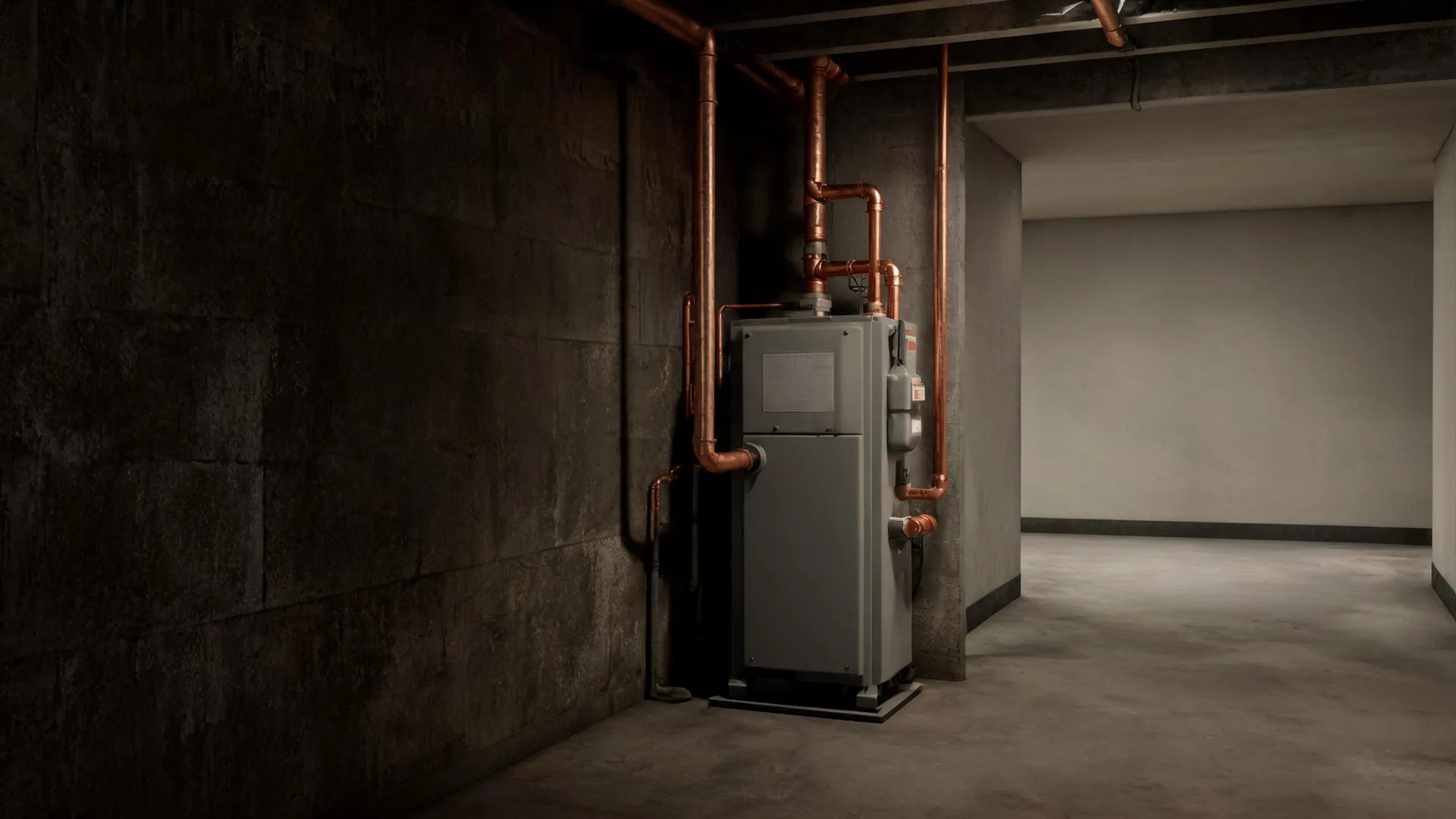
Sizing a boiler for a Lincoln County home starts with understanding what the burner and heat exchanger are actually being asked to carry. Homes in Lincoln County, CO run heat about eight months a year, from October through May. A burner cycling through that kind of demand accumulates wear on the ignition system and heat exchanger surfaces that a contractor has to account for at installation, not after the fact. A system that is undersized for the local heating load runs longer per cycle and reaches its wear points sooner. The contractor's load calculation here is the document that justifies every other decision on the job.
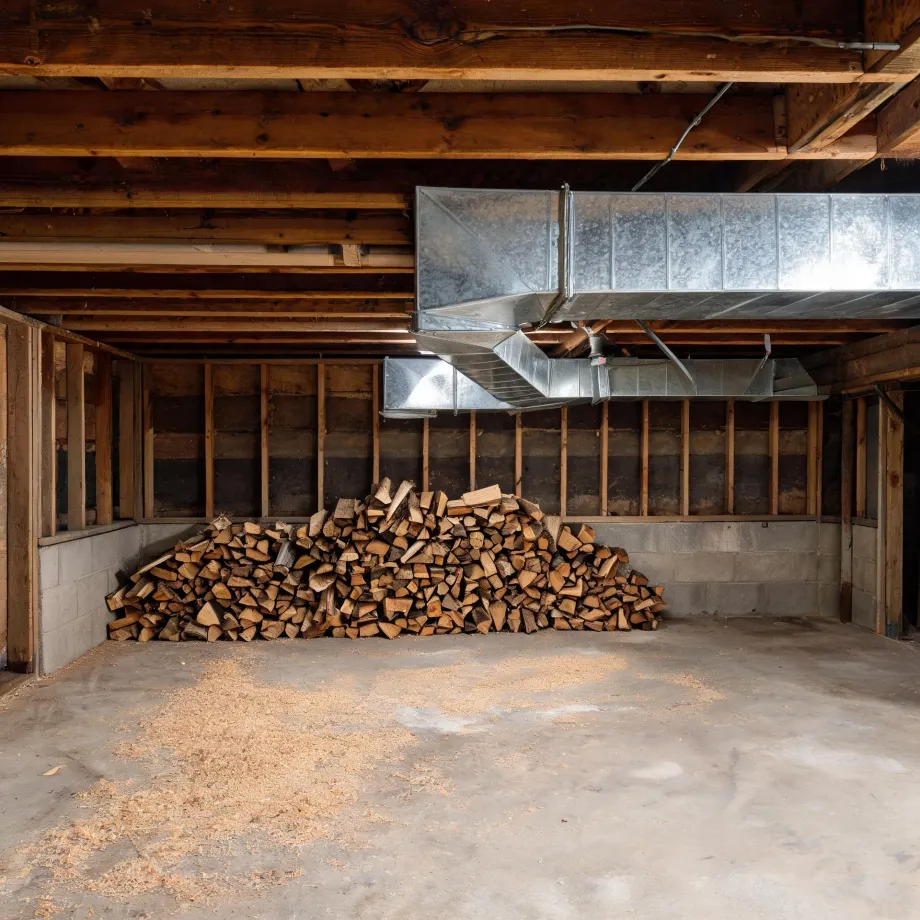
Older ductwork and plumbing routed for equipment that is no longer made set the terms of a boiler installation before anyone looks at the new unit. Half the homes in Lincoln County, Colorado were built in 1967 or earlier (2020-2024 ACS 5-year). Housing built in that era was plumbed and ducted around systems that have since been replaced once or twice over, and what remains in the walls and floors is what a contractor has to work with. If the existing runs cannot carry the load a new boiler demands, the pipe and duct work becomes the job, and the boiler itself comes second.
What Gets Installed With a New Boiler
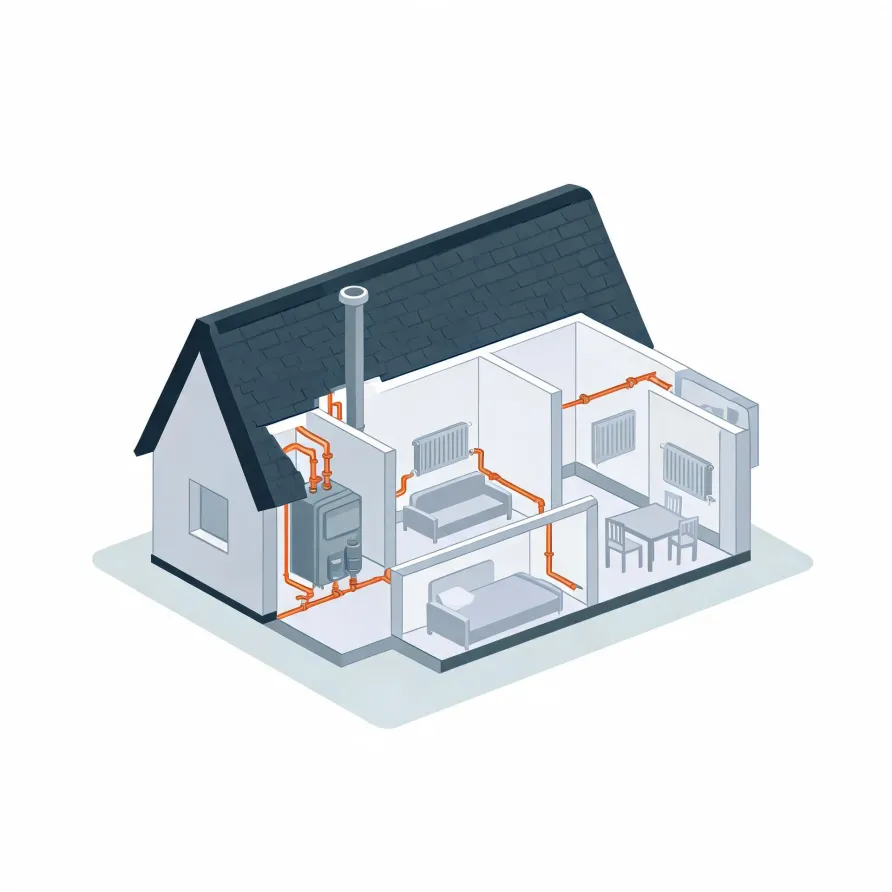
The boiler itself sits in a mechanical room, basement, or utility closet and is the unit that heats water and sends it through the system. Alongside it, a expansion tank mounts nearby to absorb pressure changes in the water as it heats and cools. A circulator pump, also near the boiler, pushes the hot water through the pipes.
Pipes run from the boiler to radiators or radiant floor loops positioned throughout the living spaces, and those terminal units are what actually put heat into each room. A thermostat mounts on a wall where it reads the air temperature and tells the boiler when to fire.
The drawing shows a typical layout, and a licensed contractor determines what the configuration looks like in your specific home.
Get matched in Lincoln CountyLincoln County by the Numbers
265 severe weather events were recorded in Lincoln County, Colorado between 2015 and 2024.
NOAA National Centers for Environmental Information, Storm Events Database, bulk CSV export, events 2015-01-01 through 2024-12-31.Half the homes in Lincoln County, Colorado were built in 1967 or earlier (2020-2024 ACS 5-year).
U.S. Census Bureau, 2020-2024 American Community Survey 5-Year EstimatesLincoln County, Colorado holds 2,382 housing units (2020-2024 ACS 5-year).
U.S. Census Bureau, 2020-2024 American Community Survey 5-Year EstimatesOwners occupy 71.7% of the occupied homes in Lincoln County, Colorado (2020-2024 ACS 5-year).
U.S. Census Bureau, 2020-2024 American Community Survey 5-Year EstimatesSevere Weather Events in Lincoln County
Boiler installation in Lincoln County means sizing and building systems for what the local climate actually delivers. Weather-driven stress is one of the main factors that determines how hard heating equipment has to work and how long it holds up.
265 severe weather events, 2015–2024. Source: NOAA National Centers for Environmental Information, Storm Events Database.