

Why your boiler is losing pressure in Colorado
Describe your boiler job, and a local pro who handles it gets in touch.
Get matchedA boiler loses pressure because water is leaving the system somewhere, or it was never enough to begin with. Most often it is a small leak at a valve, a pipe fitting, or the pump seal, letting water out slowly enough that you only notice when the gauge drops below 1 bar and the system starts short cycling or won't fire at all. It can also lose pressure through the pressure relief valve if the expansion vessel inside the boiler has lost its charge, letting the system over-pressurize and vent water out when it heats up. Colorado's dry air and altitude don't cause this, but a boiler already running low on water has less margin before it shuts down. Topping it up yourself brings the heat back for now, but if the pressure keeps dropping, something is letting water out and that needs to be found.




Where does the water actually go when a boiler loses pressure?
You keep topping off the pressure gauge and it keeps dropping, but you never see a puddle anywhere near the boiler. That makes it hard to believe there is really a leak at all, and you want to know where the water is going before you call anyone about it.
It usually leaves through the pressure relief valve or a small weep at a fitting, and evaporates before you see it
Water leaving a sealed boiler system almost never pools on the floor. If the pressure relief valve is opening even slightly, the water drips down a pipe that often vents outside or into a drain, so it never shows up in the mechanical room at all. A weep at a pump seal or a pipe joint can do the same thing, releasing water slowly enough that it dries or evaporates before it collects anywhere visible. Dry Colorado air makes this worse, since any moisture that does escape dries fast. The gauge losing a few PSI over a few weeks is usually this kind of slow loss, not a sudden failure.
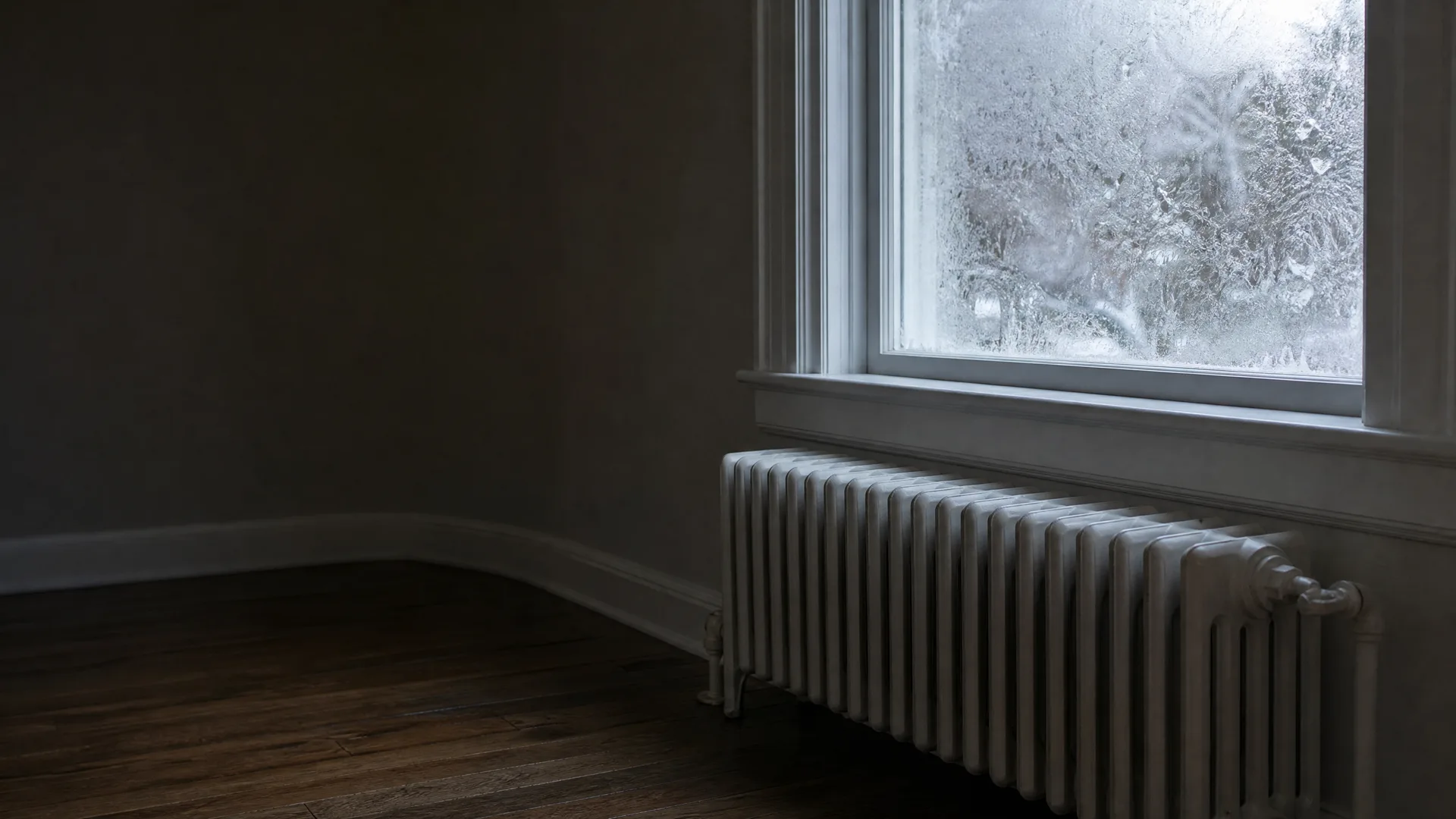
You get up before the sun, the way you do most January mornings, and the living room is cold enough that you can see your breath. The radiator under the window ticks as it tries to heat up, but the glass above it is iced over on the inside. You check the boiler gauge on your way to the kitchen and it has slipped below where it sat last week. Outside, the Colorado sky is that hard, clear blue that comes with the cold snaps. You make coffee and think about who you'd even call, someone who works on boilers like this one all winter and would know within a few minutes where yours is losing water.
A local pro for your boiler repair
A boiler that keeps losing pressure usually needs eyes on it, not another bottle of inhibitor or another turn of the filling loop. A slow leak at a valve or fitting can run for weeks before it shows itself, and by the time you're refilling every few days, something downstream has probably been stressed by running low on water more than once. A local contractor who services boilers all year, through dry Colorado summers and the months the heat runs hard, has likely seen this exact pattern before on a system like yours and knows where these leaks tend to start. Submitting your information here gets it to one contractor local to you, so you're dealing with a single call back instead of sorting through several. Worth getting ahead of before a bigger drop leaves you without heat on a cold morning.
Most boilers are built to hold between 1 and 1.5 bar cold. Below about 0.5 bar, the low water cutoff or pressure switch will usually stop the burner from firing at all.
That shutoff is doing its job. It is telling you there isn't enough water in the system to heat safely, not that the thermostat or igniter has failed.
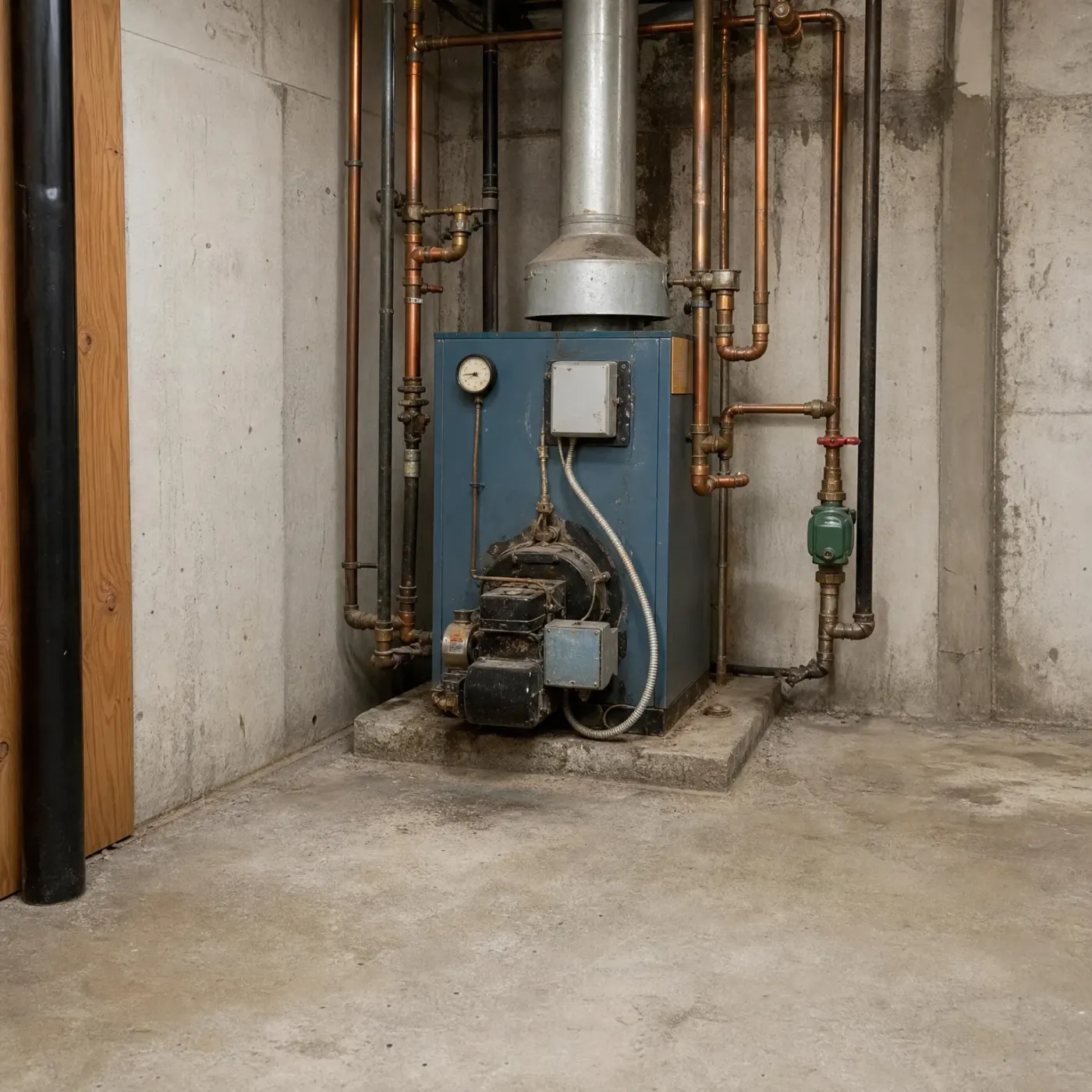
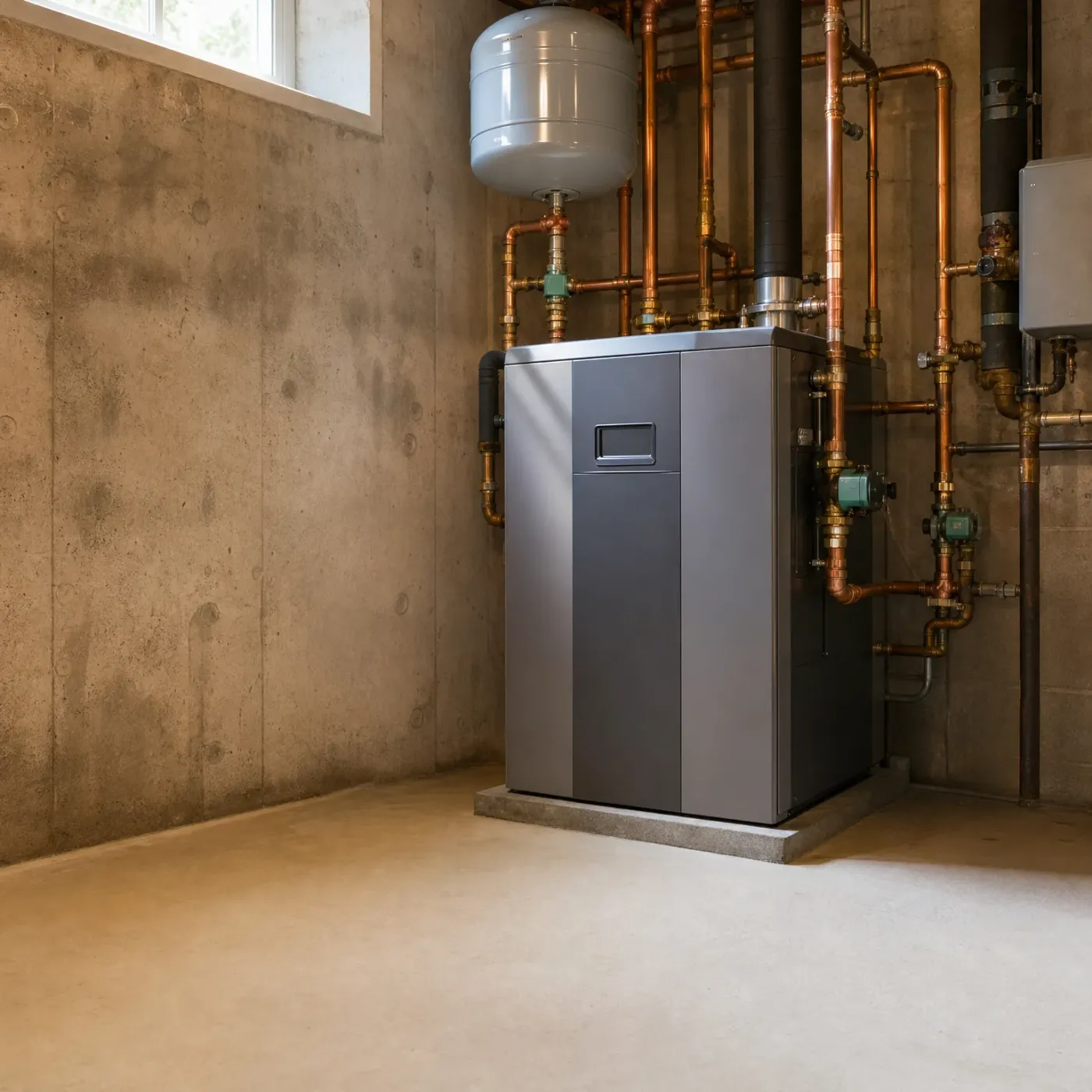
Inside the boiler, an expansion tank holds a pocket of air that gives the water somewhere to go as it heats up. When that air charge leaks out over time, the tank fills with water instead of cushioning it, and the gauge starts swinging instead of holding steady. If pressure climbs too high, the relief valve, usually set around 3 bar, opens to dump the excess, and once it has opened it often keeps weeping even after pressure drops back down. The automatic air vents on your radiators do similar work in reverse, bleeding off trapped air, but mineral buildup can jam them open so water drips out instead. Pipe joints and radiator valves build up the same deposits over years, and a pinhole leak there can run for weeks before anyone sees a wet spot. The pump seal wears down the same way, slowly, and what escapes there often evaporates before it hits the floor. Even a filling loop left cracked open can mask all of this, feeding in mains water and keeping the gauge looking normal until someone shuts it and checks the system on its own.
Where the water actually goes
- The expansion tank holds a cushion of air that absorbs water as it heats and expands, and when that air charge is gone the tank fills solid and pressure swings wildly instead of staying steady.
- A pressure relief valve set around 3 bar will open and dump water if the system overpressurizes, and once it has opened even once it can keep weeping afterward.
- The automatic air vents that bleed trapped air from radiators can stick open under mineral buildup and let water escape drop by drop instead of sealing shut.
- Pinhole leaks form at pipe joints and radiator valves from years of mineral deposits in the water, and they can run long enough to empty a system before anyone sees a drop on the floor.
- The pump seal wears from constant rotation, and a worn seal lets water seep out slowly enough to evaporate before it ever reaches the floor.
- A filling loop left open even slightly keeps feeding mains pressure into the system, which hides a real leak until the loop is shut and the gauge is checked on its own.


Winter nights average 16°F statewide
Those 16°F nights mean your boiler is running long, steady cycles for hours at a stretch, not short bursts. A system already losing water can't hold pressure through that kind of run time, and the burner is more likely to cut out overnight when you're not there to catch it.
NOAA nClimDiv 1991-2020 county normals weighted by homes

A boiler holding steady pressure is a boiler that isn't losing water
The gauge tells you what's happening inside the system. Steady near 1.5 bar cold means the water is staying where it belongs. Dropping week after week means it's getting out somewhere, through a valve, a fitting, a seal, or an expansion tank that's lost its air charge, and no amount of refilling fixes the part that's actually letting it go.
Finding that part means someone looking at your system, not guessing from a description over the phone. A local contractor who works on boilers through the winter has seen most of what causes this in a Colorado home and knows where to check first. Once you're matched with one, they'll reach out to look at your system and tell you what's actually wrong with it.

Get the right pro for your boiler
Only one pro gets your request, so you hear from one company.