
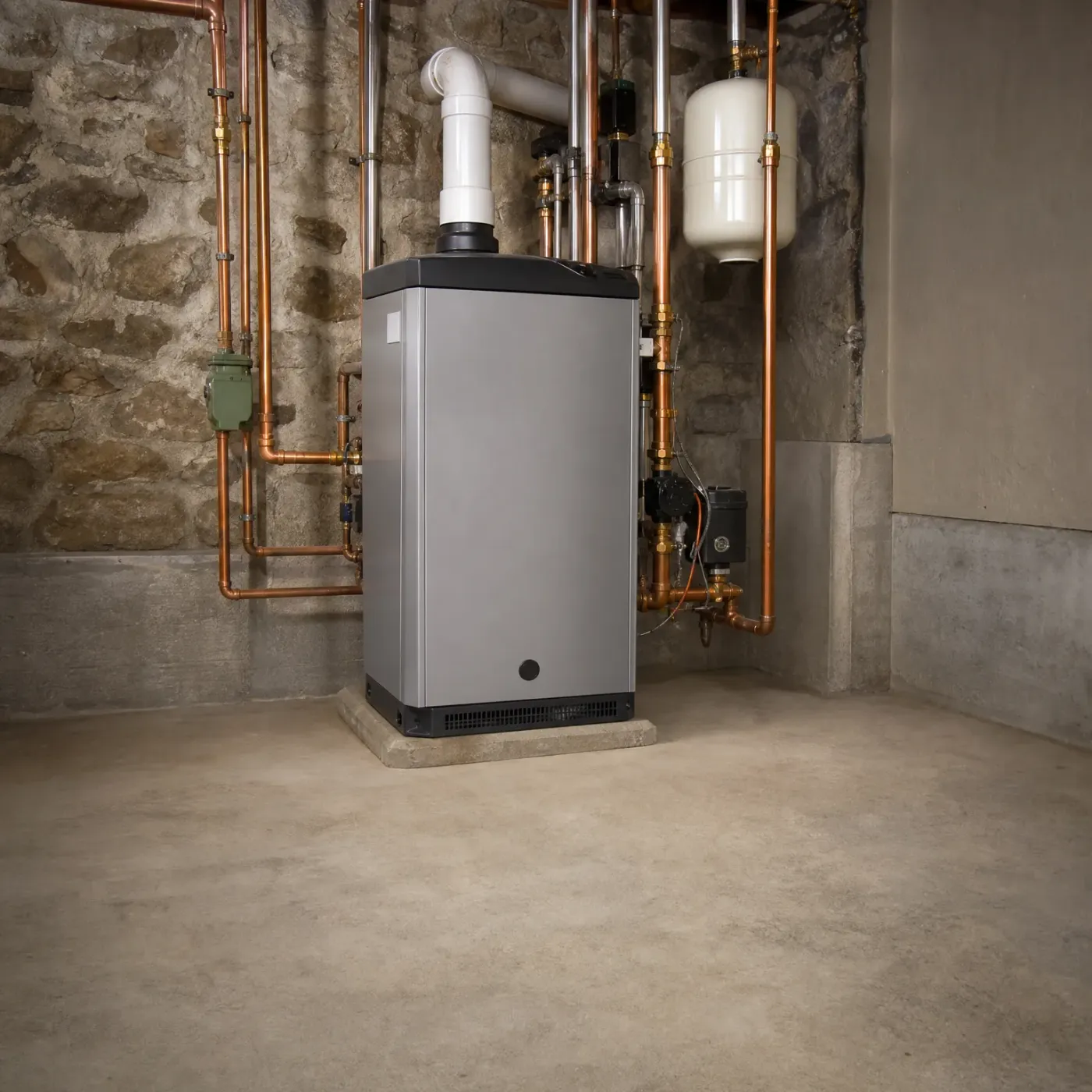
Running the way it should
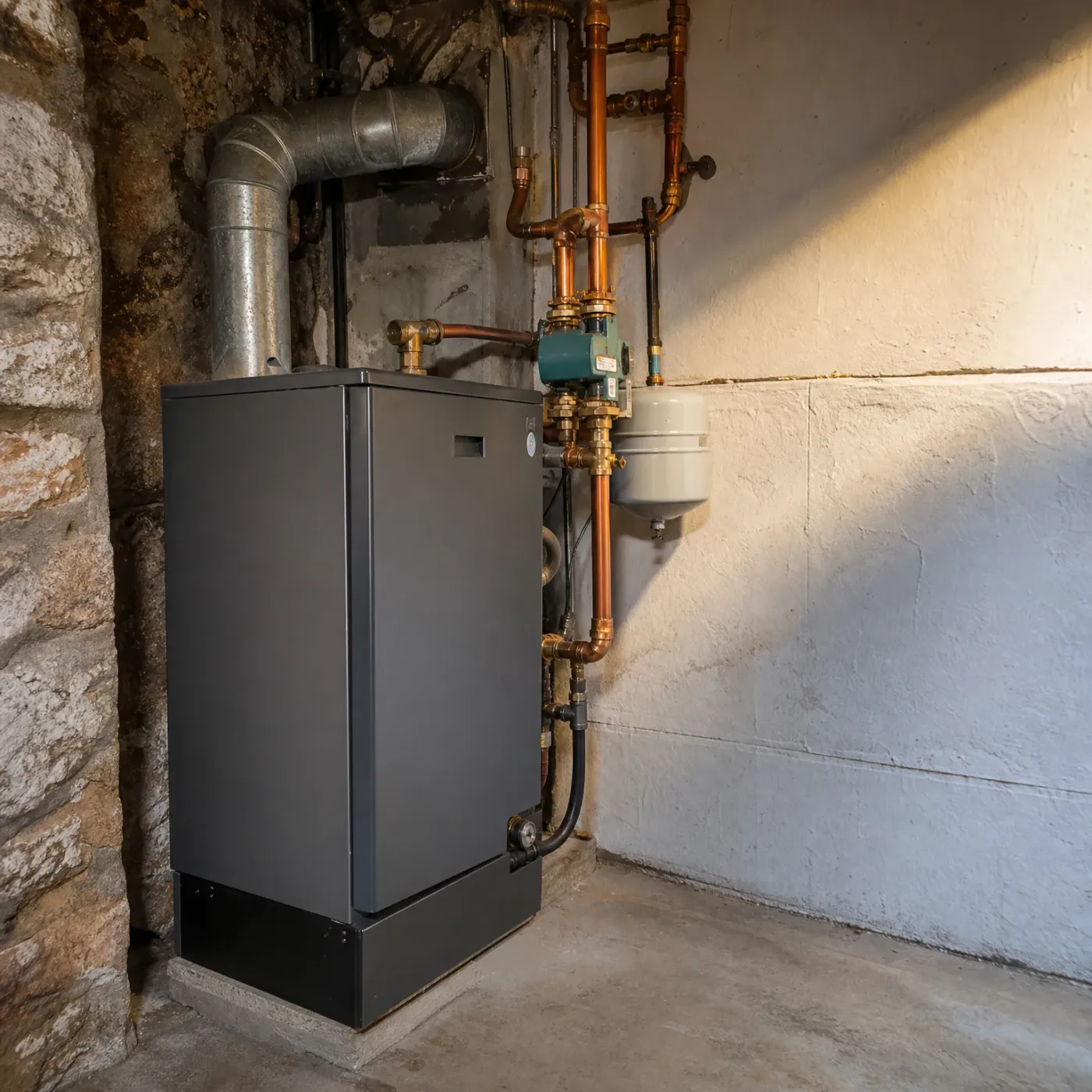
A boiler like this holds its pressure and keeps every joint dry. The gauge sits steady, the pump runs quiet, and the pad underneath stays clean. No rust ring, no drip at the fittings, no puddle forming near the base.
A leaking boiler is usually losing water somewhere in the system, not making it. The most common cause is a worn pressure relief valve that opens when the system gets too full or too hot, or a crack in an old cast iron section that lets water seep out slowly. Loose fittings and a failing pump seal cause leaks too, usually a slow drip rather than a steady flow. Low water pressure on the gauge after a leak means the boiler can shut itself down or run poorly until the leak is fixed and the system is refilled. A leak near the boiler itself, rather than in the pipes running to your radiators, usually points to a part failing inside the unit. Either way, water where it shouldn't be means something inside needs attention before it causes more damage or the boiler stops heating your home altogether.
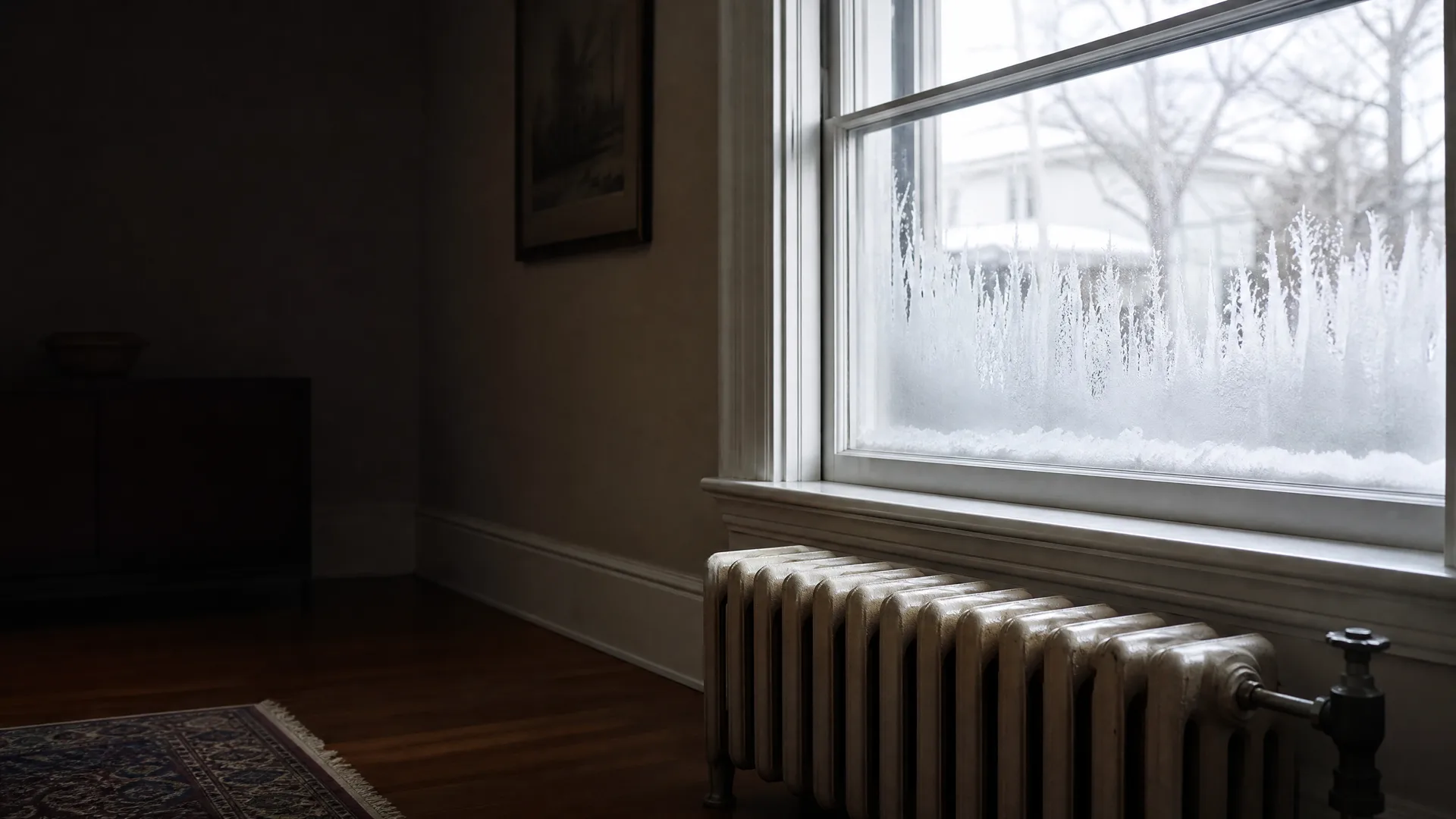
You wake up before the thermostat kicks on again and the living room is cold enough that you can see your breath near the window. Ice has crept across the inside of the glass above the radiator, a thin white film in the corner where the cast iron meets the wall. You go to check the boiler and find a small puddle spreading from the base, dark against the concrete. It's January, maybe six degrees outside, and you know this radiator has kept the room warm every winter you've lived here. You crouch down, touch the floor, and it's cold and wet under your palm.
You might find the puddle before you find the cause: a damp patch on the floor near the boiler, a drip off the bottom of the tank, or a rusty ring where water has dried and left mineral behind. The pressure gauge may sit higher than it should. You might hear a faint hiss or see wet insulation on a pipe fitting. If the leak keeps dripping onto the floor or nearby wiring unnoticed, the moisture can warm into bigger problems, rust through metal, soak into wood framing, or trip an electrical connection near the unit. Catching it now, while it is still a small puddle, is what keeps it that way.
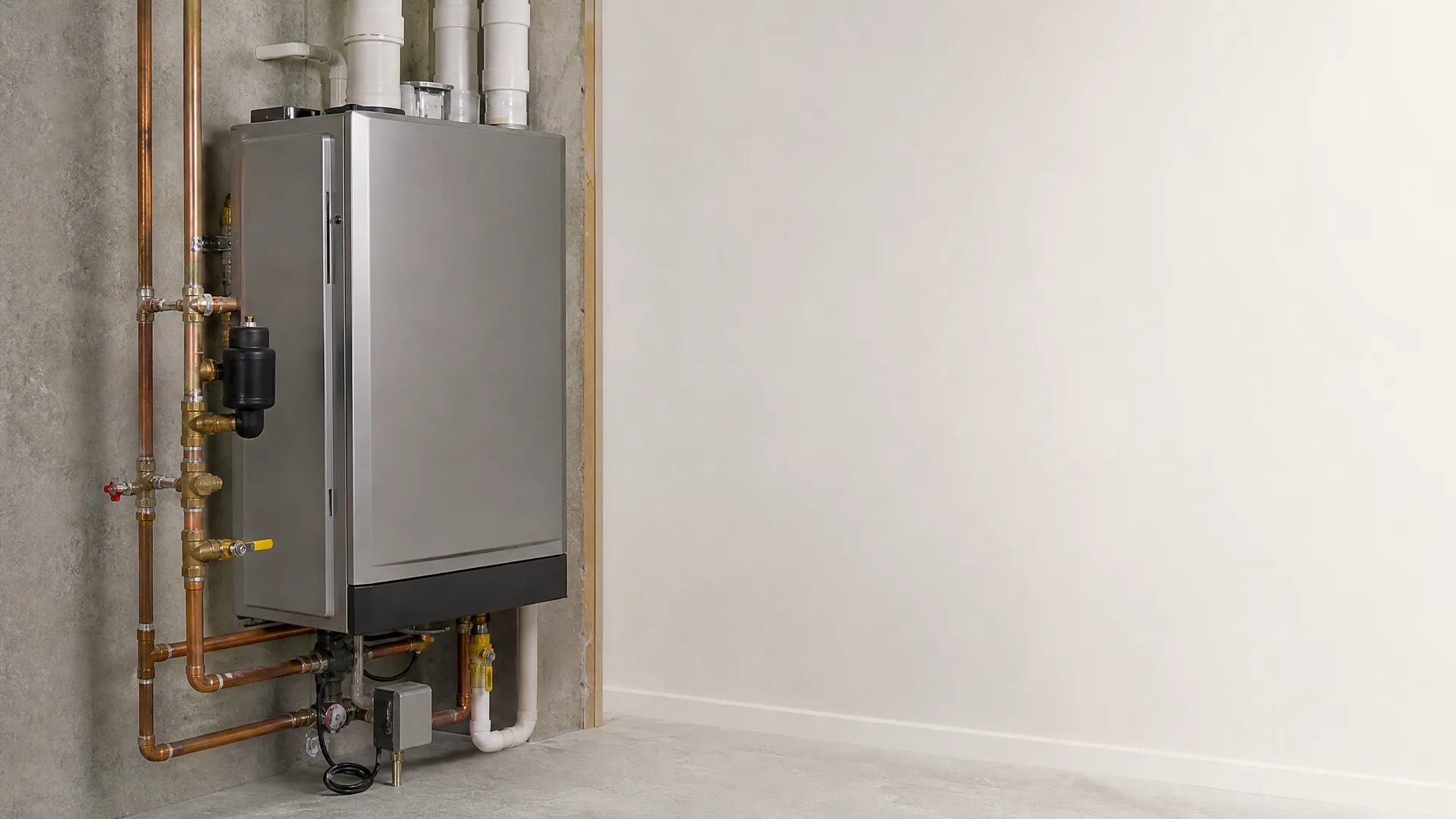
The pressure relief valve is set to open at a fixed pressure, usually around 30 psi, as a safety measure so the tank or pipes don't split under too much strain. Once it opens, even a little, mineral grit can keep it from sealing back down, and it drips from then on. That small weep is the valve doing its job and failing to reset, not a sign the system is about to fail outright.
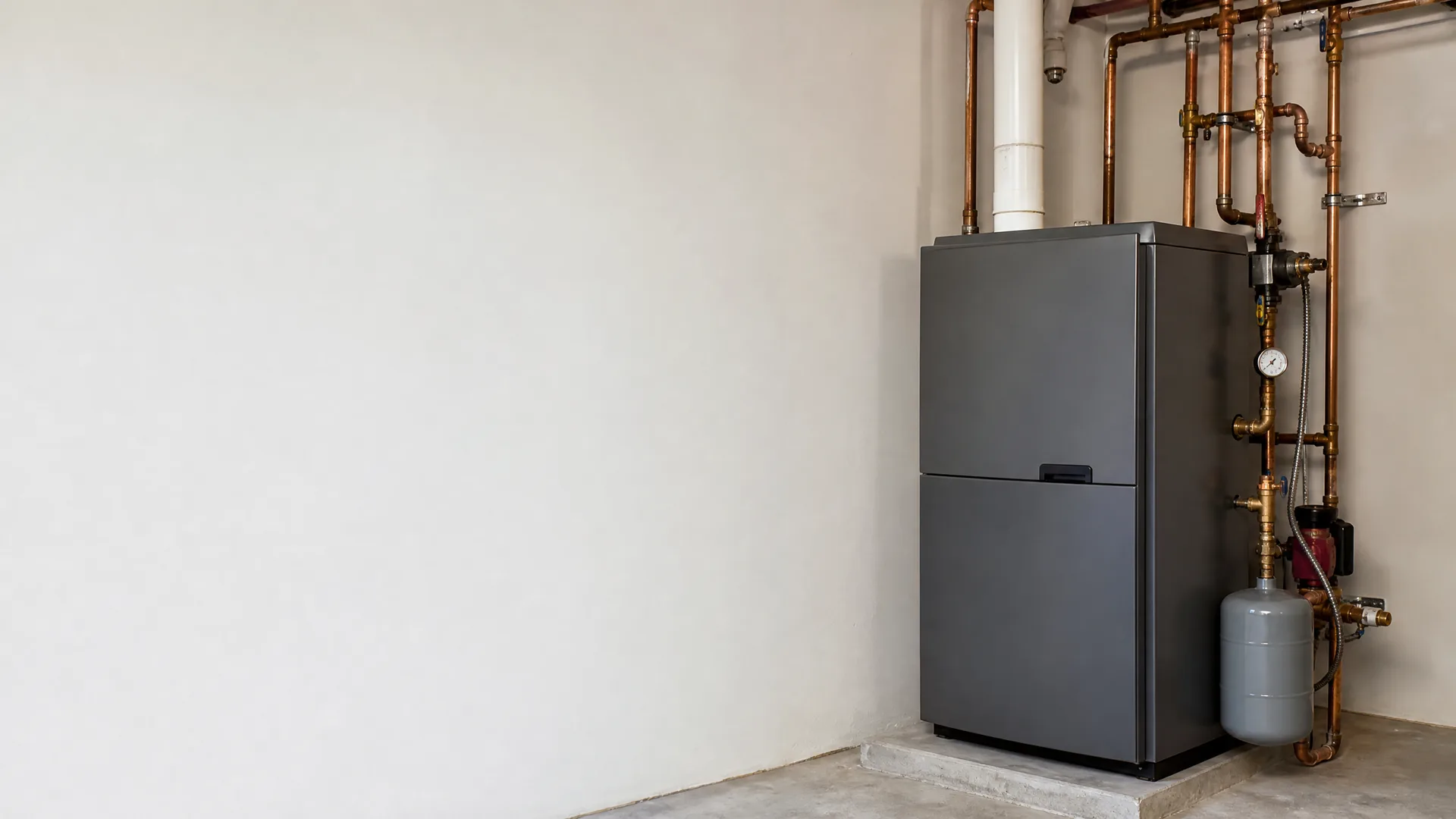
Cast iron sections expand and contract every time the burner fires, and with Colorado's dry air pulling moisture out of everything in the house, that cycling happens often during the months the boiler runs hardest. A hairline crack that started small widens a little each heating cycle. Water seeps instead of streaming at first, which is why the leak can sit there for weeks before anyone notices the rust ring or the damp patch underneath.

A boiler is a closed loop. Water moves out through the supply pipe, through the radiators or baseboard, and back through the return pipe, and the same water goes around again and again. It's not meant to lose any of it. The expansion tank absorbs the water as it heats and swells, so the system can handle that without pressure climbing past the setpoint. When a seal, a valve or a seam fails, that loop stops being closed, and the system starts pulling in fresh makeup water through the feed valve to replace what's gone. That's why a leak doesn't always show up as low pressure right away. The autofeed is quietly covering for it.
That's also why a leak that starts small rarely stays small. Fresh water carries oxygen and minerals that the water already in the loop doesn't have anymore, and every refill feeds a little more of both into pipes and fittings that weren't built to handle it. A contractor who knows boilers can trace the loop, find where it's actually losing water instead of just where it's pooling, and tell you whether it's a part worth replacing or a sign the boiler's reaching the end of its service life. Once you send the request, that search is off your hands.





A leaking boiler does not fix itself, and running it while it loses water lets the pressure swing low enough to trip the system or high enough to stress a part that is already weak. In a Colorado winter that is not something to sit on. Finding the source means opening the cabinet, checking the valve, the expansion tank, the sections, and pressure-testing the loop, work that calls for a license and the right gauges. Once you send the request, you are done hunting for who to call. A contractor who handles boiler repair in your area gets your information and reaches out to you. You don't have to keep checking the floor by the tank or guessing whether the drip is getting worse. That part is off your plate now, and the next step is in someone else's hands.
A boiler like this holds its pressure and keeps every joint dry. The gauge sits steady, the pump runs quiet, and the pad underneath stays clean. No rust ring, no drip at the fittings, no puddle forming near the base.
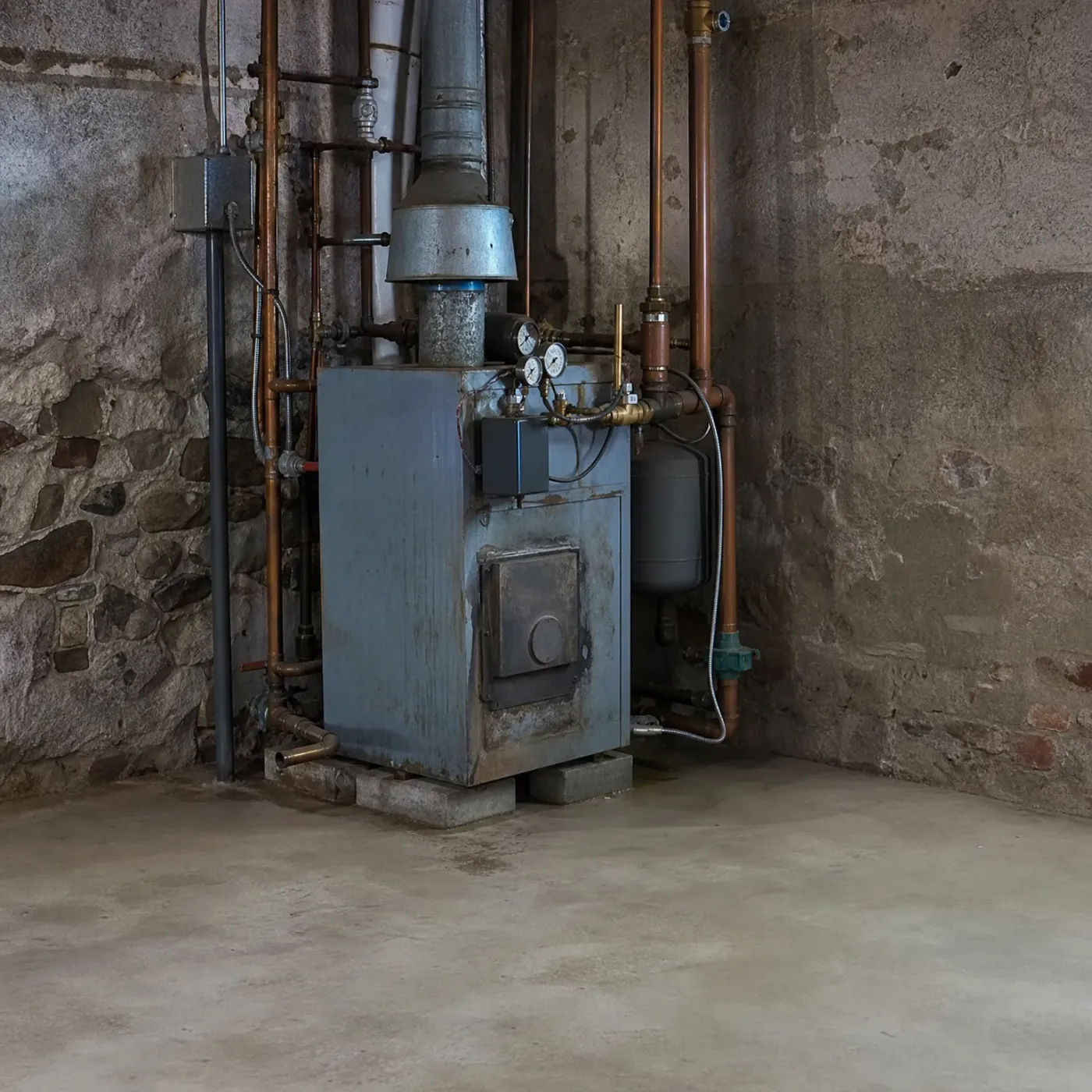
An older cast iron boiler like this one is more prone to a crack forming in a section as the metal ages, or a valve letting go under pressure. Look for a damp patch on the concrete pad, dried mineral residue near a fitting, or a gauge that won't hold steady.
At 16 below freezing most winter nights, your boiler runs long stretches to keep up, and a system that's losing water can't hold the pressure it needs to do that. A small leak that seemed fine in October can leave you with a cold house on the coldest nights of the year.
NOAA nClimDiv 1991-2020 county normals weighted by homes
Water escapes slowly from a valve, joint, or hairline crack
System pressure drops below what the boiler needs
The low water cutoff senses the drop and shuts the burner down
Heat stops until someone refills the loop or repairs the leak


A leaking boiler is telling you something specific, not just that it needs attention. Water is finding a path out of the loop, and that path is almost always one of three things: a relief valve doing its job a little too often, a fitting that's worked itself loose, or a hairline crack in an old section that's been seeping slowly enough to go unnoticed. Each of those has a different fix, and none of them mean the whole system is done for. What they share is a clock. As the water loss continues, pressure drops, and a boiler that can't hold pressure can't keep the low water cutoff satisfied. On a night when it's well below freezing and the system needs to run long and steady, that's when a slow leak turns into a cold house with no heat until someone deals with it. Finding the exact spot the water is leaving is most of the job. Once that's known, the repair tends to be straightforward work for someone who's done it before. What's left, then, is finding that person, and that's the part this page can take off your hands. Send the form and the search for a qualified contractor stops being something you have to manage yourself. You're not left waiting on a directory or a stack of phone numbers. Someone takes it from here.
Get the boiler repair search off your mind today.
It costs nothing to send, and you don't have to hire anyone.