15 years
Past this age, a boiler's efficiency loss often shows up as a steady climb in your gas bill, even with no leaks or noise yet.

A boiler past 15 years old usually comes down to a repair-or-replace decision once the heat exchanger starts leaking or the efficiency drops enough to show up on your gas bill. If it's a cracked heat exchanger, that's a replace, not a repair, since the part isn't meant to be fixed on its own. A failed circulator pump or a bad zone valve is a different story and often worth repairing on a newer unit. Colorado winters put a boiler to work for months at a stretch, so a unit that's already struggling in November usually won't make it through February without another breakdown. Age matters too: most boilers are built to last 15 to 20 years, and once you're past that, each repair is money spent on a system that's closer to its end than its beginning. A contractor who looks at the specific unit can tell you which side of that line yours is on.


A boiler tells you what's wrong before it fails outright, if you know what to listen for. Short cycling usually traces back to water pressure sitting too low on the gauge, or an aquastat that's lost its calibration and is shutting burners off too soon. Either one is a straightforward fix. Kettling is different. That rumbling comes from scale coating the inside of the heat exchanger, built up over years until water can't move through it evenly, and the trapped steam pockets are what make the banging sound. Colorado's hard water and dry climate speed this up in older cast iron boilers more than in the aluminum or stainless exchangers used in newer units, so an iron boiler kettling at 12 years isn't unusual here. A pilot that keeps going out almost always comes down to the thermocouple or flame sensor, both cheap parts to swap on most models. None of this touches the tank itself. That's the real dividing line. If you see standing water under the boiler or rust stains working their way down the jacket, the tank has pitted through from the inside, and there's no part for that, only a new boiler. A weeping pressure relief valve sits in between: sometimes it's just the valve wearing out, sometimes it's a failed expansion tank pushing pressure where the system was never built to handle it. Worth having someone check before assuming either one.
Past this age, a boiler's efficiency loss often shows up as a steady climb in your gas bill, even with no leaks or noise yet.
Instead of calling several contractors and repeating the same details to each one, you get matched with one who already knows what you need.
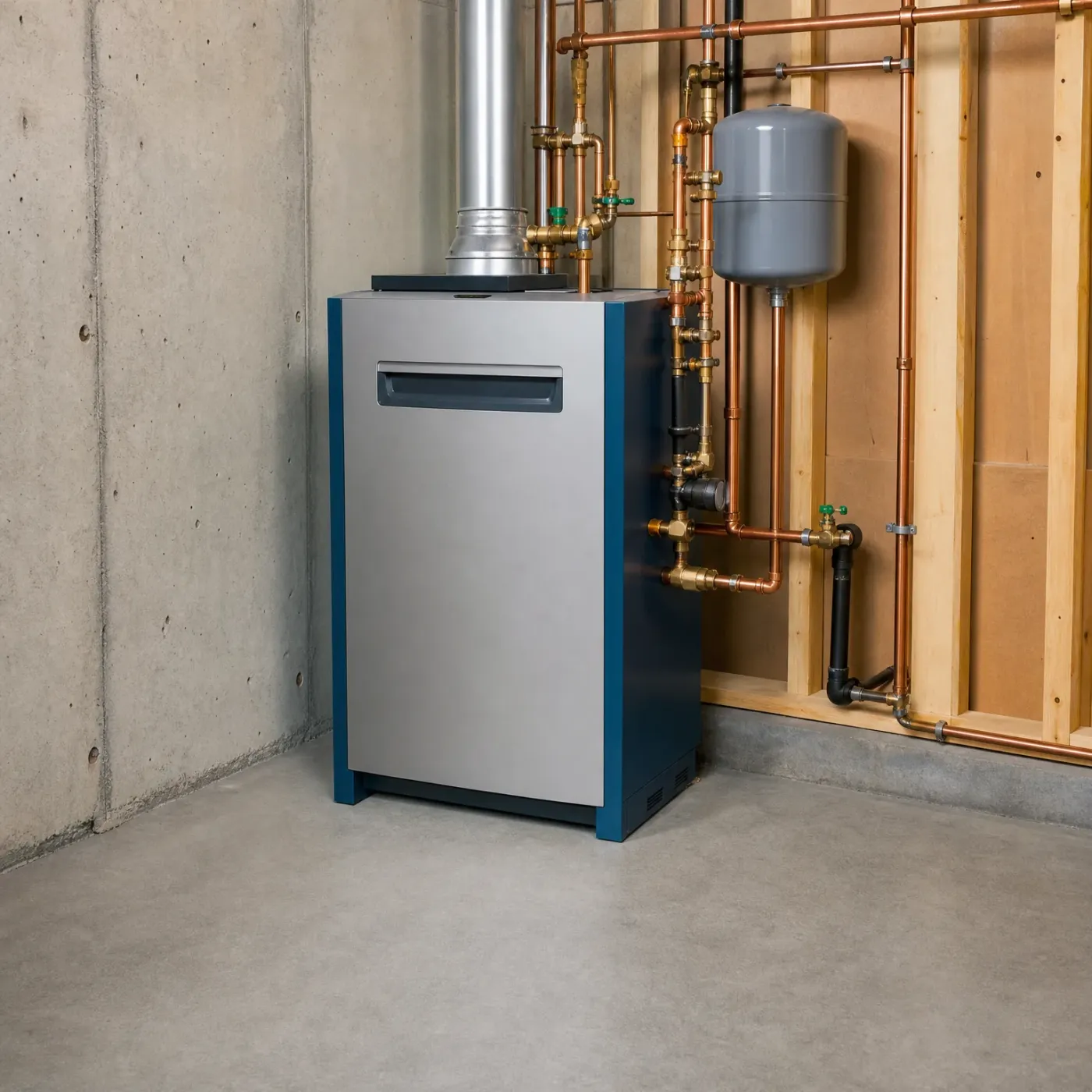
Copper joints stay tight, fittings show no rust, and the iron pipe is holding up fine. A boiler like this is doing its job keeping everyone warm through a Colorado winter, and a repair can put it right if one part fails.
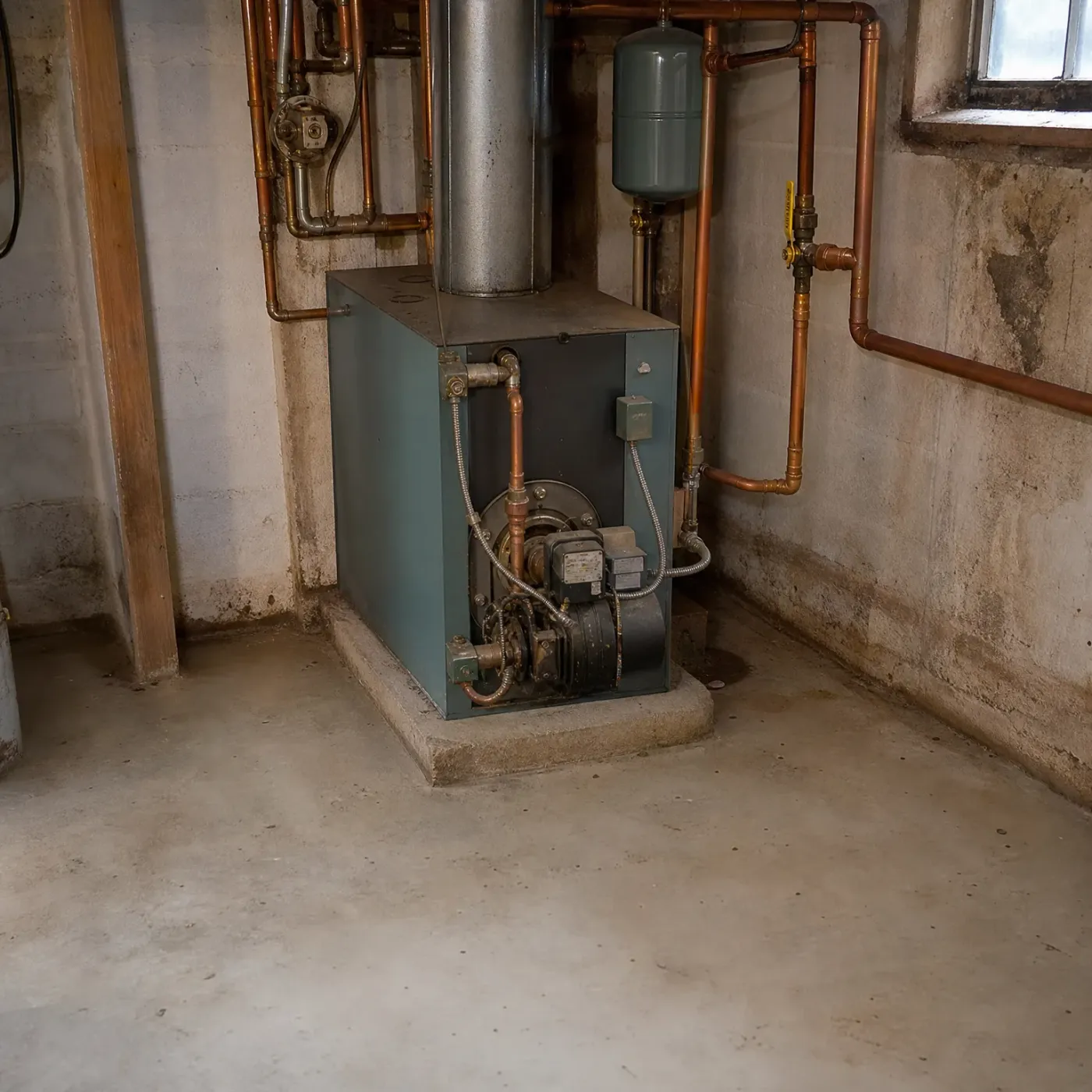
Corrosion on the flue pipe and an aging tank are signs the boiler is wearing out, not just acting up. Once the exchanger itself is affected, no part swap keeps the house warm for long.




Describe the project once instead of to every installer.
No fee to send it, and nothing to sign.
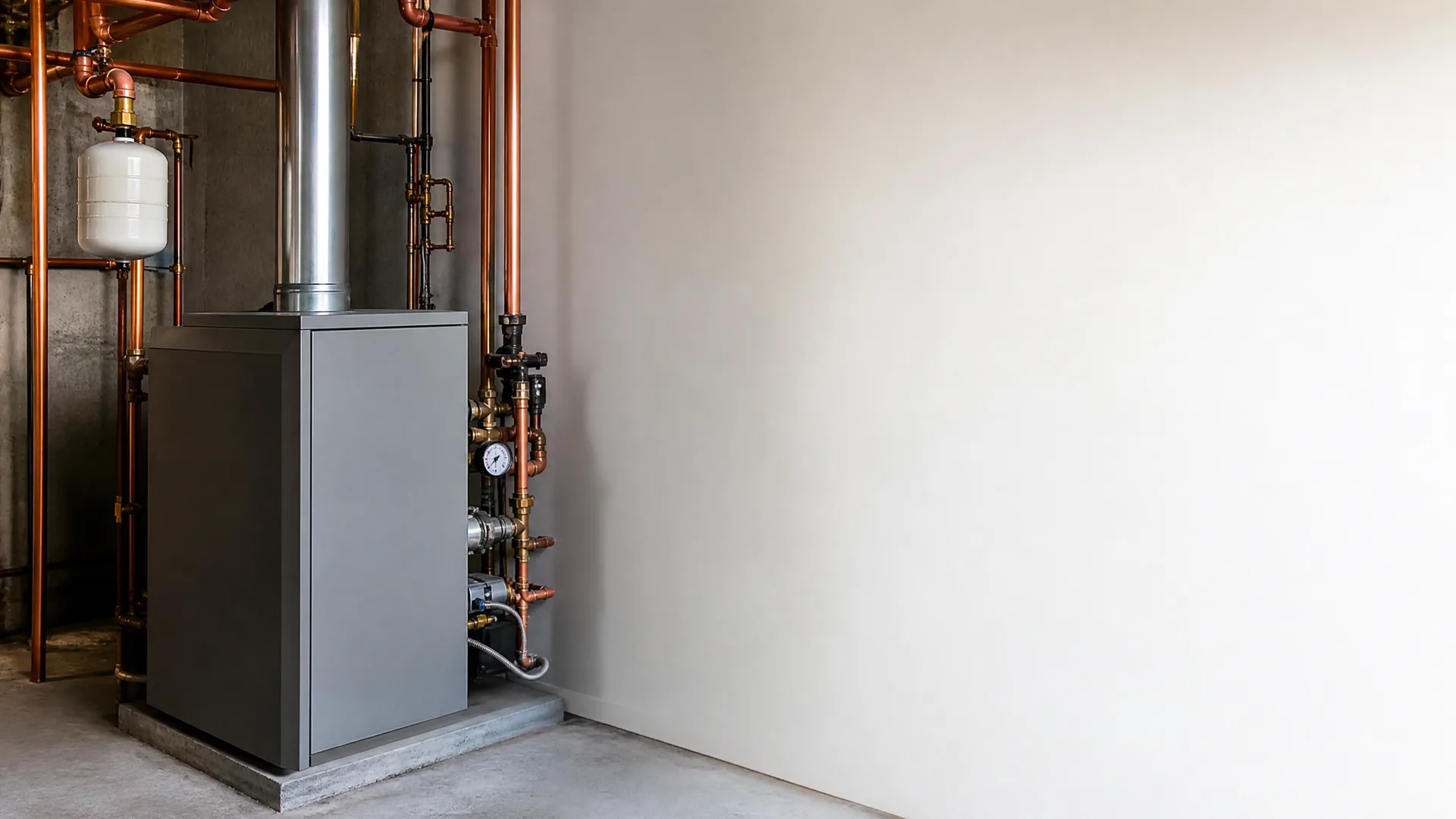
A boiler losing efficiency doesn't announce itself. It shows up as a gas bill that climbs a little more each month while the house feels the same, or colder in the rooms farthest from the boiler. Some homeowners run space heaters in those rooms without connecting it back to the boiler. By the time the heat exchanger cracks, you're not choosing between repair and replace anymore. You're without heat until the work is done.
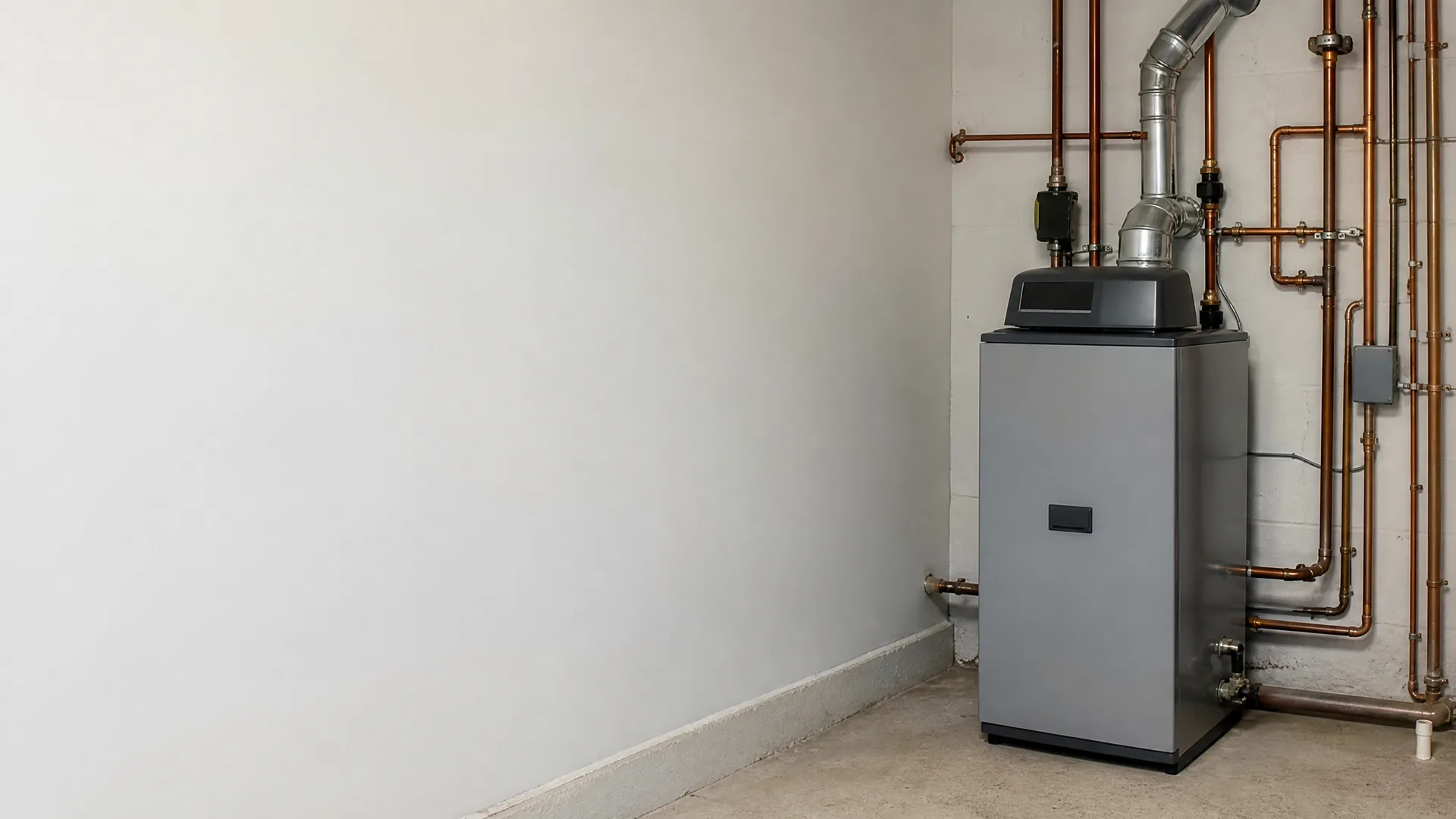
A cracked heat exchanger can let exhaust gases mix with the air the boiler is supposed to be heating. That's why a failing exchanger gets replaced and not patched. Waiting past that point isn't a question of comfort anymore. It's also the point where a repair bill turns into a full installation anyway, except now it happens on an emergency call instead of on your schedule, in the middle of a Colorado cold snap when every contractor in the area is booked.
You've had a repair or two already, and now something feels different. Maybe the boiler is making a sound it didn't used to make, or the pilot keeps dropping, or the gas bill went up again even though nobody touched the thermostat. You want to know if this is another fixable thing or if the boiler itself is on its way out before another Colorado winter gets here.
A single symptom, a noise or a short cycle, rarely means the boiler is dying. What matters is where the problem sits. A failing circulator pump, a stuck zone valve, a bad aquastat: those are parts, and parts get replaced without touching the boiler itself. A cracked heat exchanger or a corroded tank is different. Once the exchanger is leaking, water is mixing with combustion gases or dripping into the burner compartment, and no repair closes that crack for good. If your boiler is past 15 years old and the issue traces back to the exchanger or the tank rather than a part bolted onto it, that's the sign the boiler itself, not just a component, is at the end of its life.
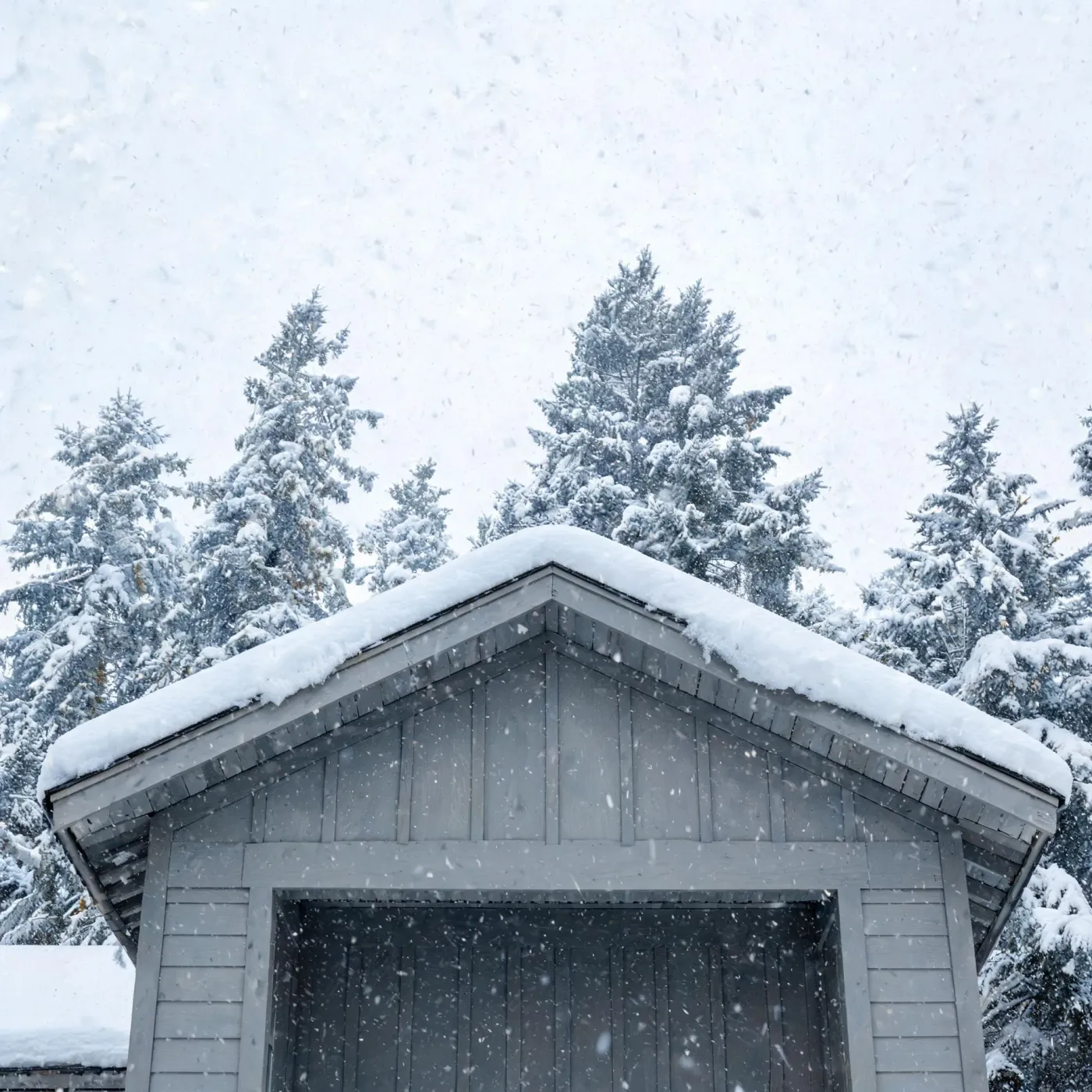
Statewide, winter nights average 16°F. That's the load your boiler is sized for, running long stretches to keep the house even while everyone's home. A boiler that's losing ground shows it first on the coldest nights, not the mild ones. The room farthest from the boiler goes cold first, or the burner runs longer than it used to just to hold the thermostat setting. If yours is cycling more or struggling to catch up after the temperature drops overnight, that's the equipment telling you something about those 16°F stretches, not just an off night. Source: NOAA climate normals.
NOAA nClimDiv 1991-2020 county normals weighted by homes


Replacing now means a boiler sized and installed for how your house actually holds heat through a Colorado winter, with every zone valve and circulator new at the same time.
Waiting means riding out one more winter on a heat exchanger that's already losing ground, and finding out on the coldest night how much further it has to fall.
Those overnight lows near 16°F are exactly when a tired boiler struggles most, running long stretches just to hold the house even. If yours is already losing ground, the coldest nights are when you'll feel it first, not the mild ones.
NOAA nClimDiv 1991-2020 county normals weighted by homes
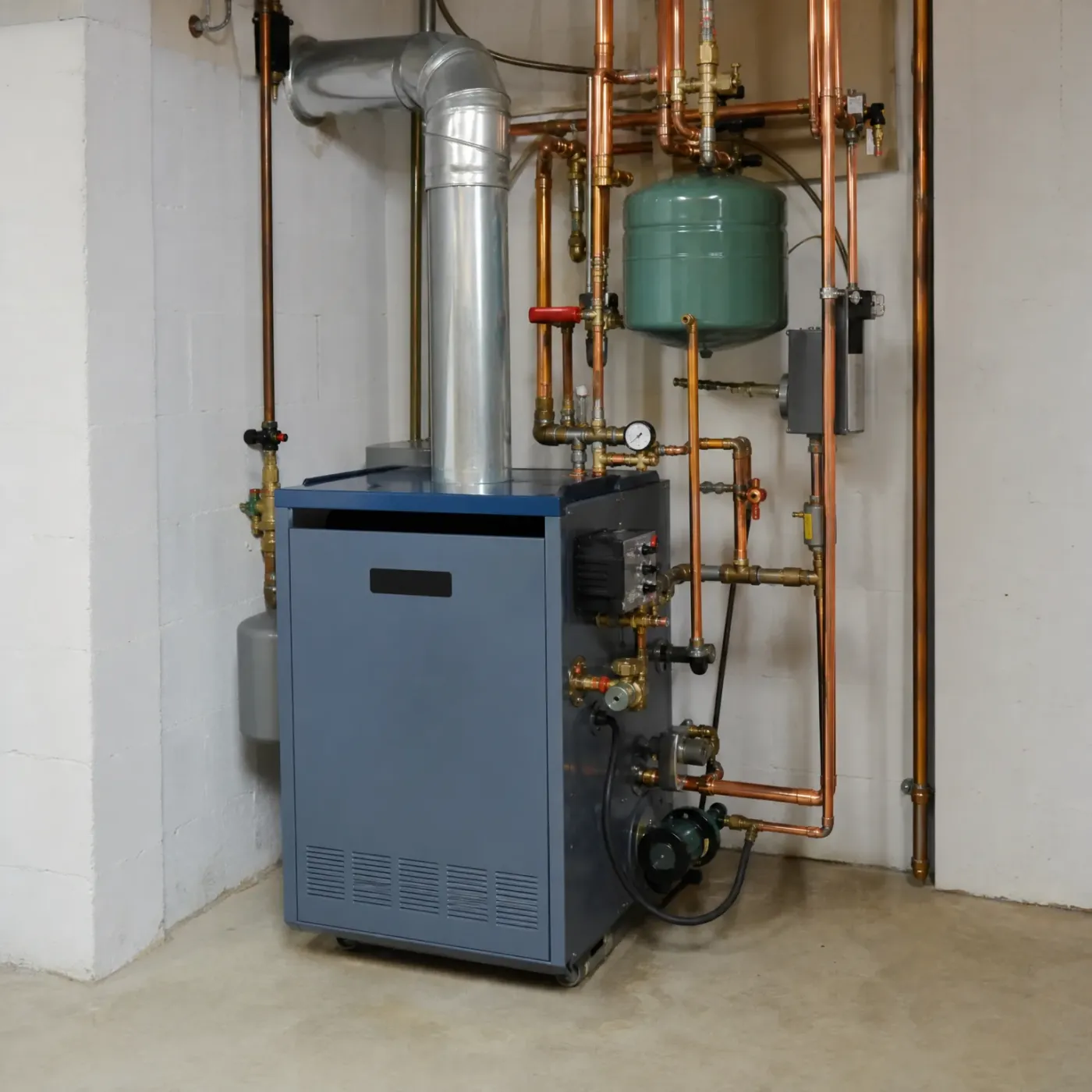
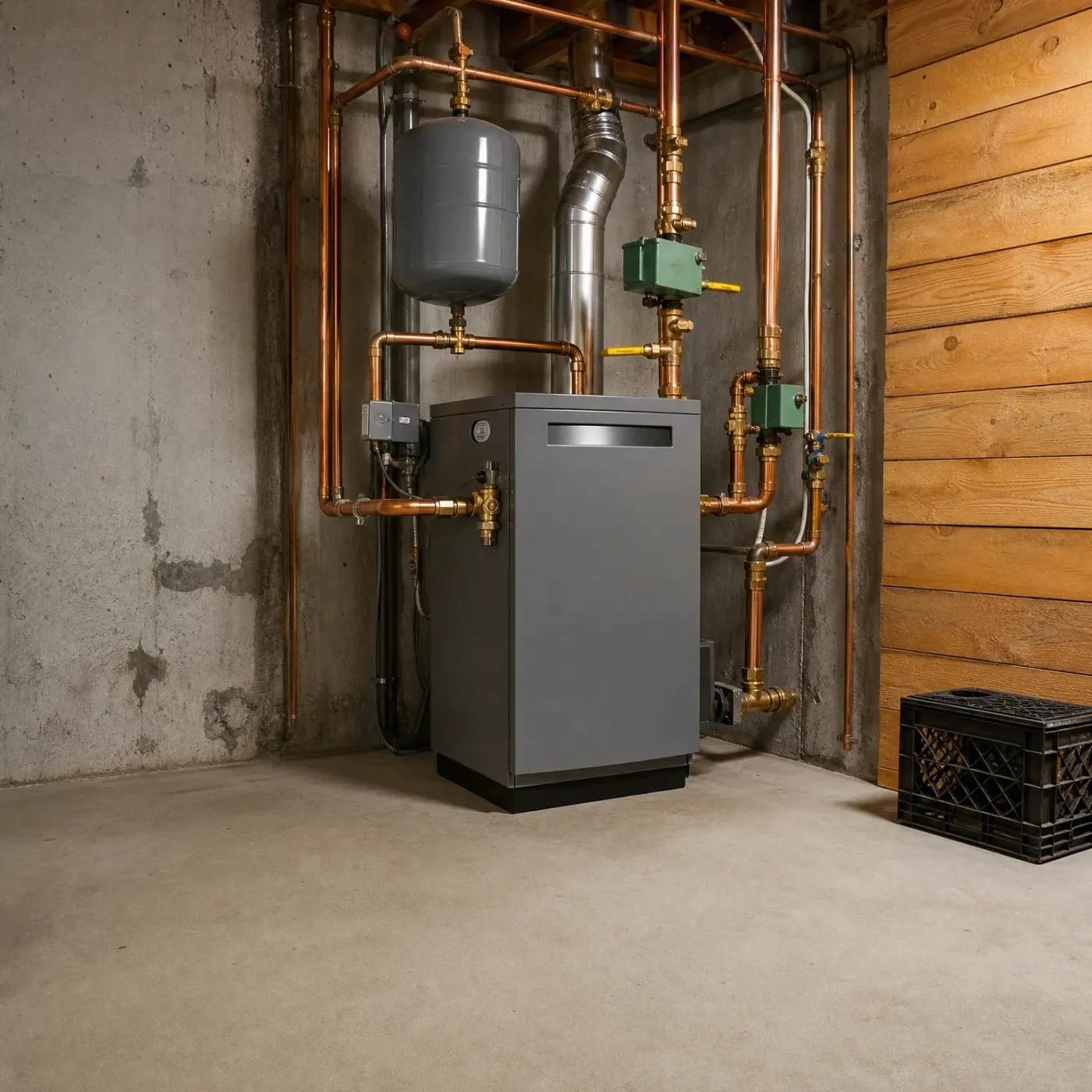
Tight copper joints, brass fittings holding pressure, a clear gauge, and a flue venting the way it should. A setup like this is doing its job, keeping the house even on a cold Colorado night without drawing extra gas to do it.
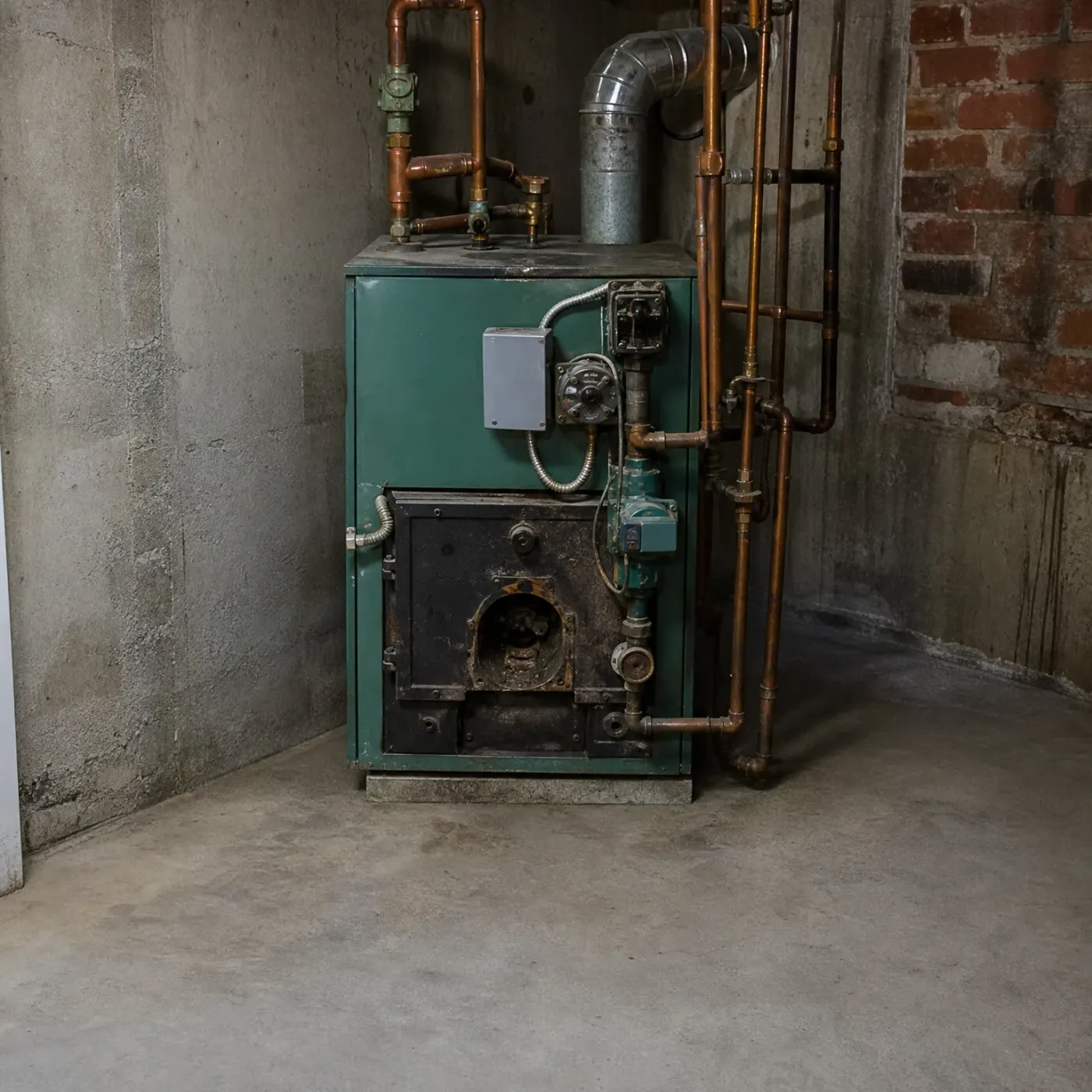
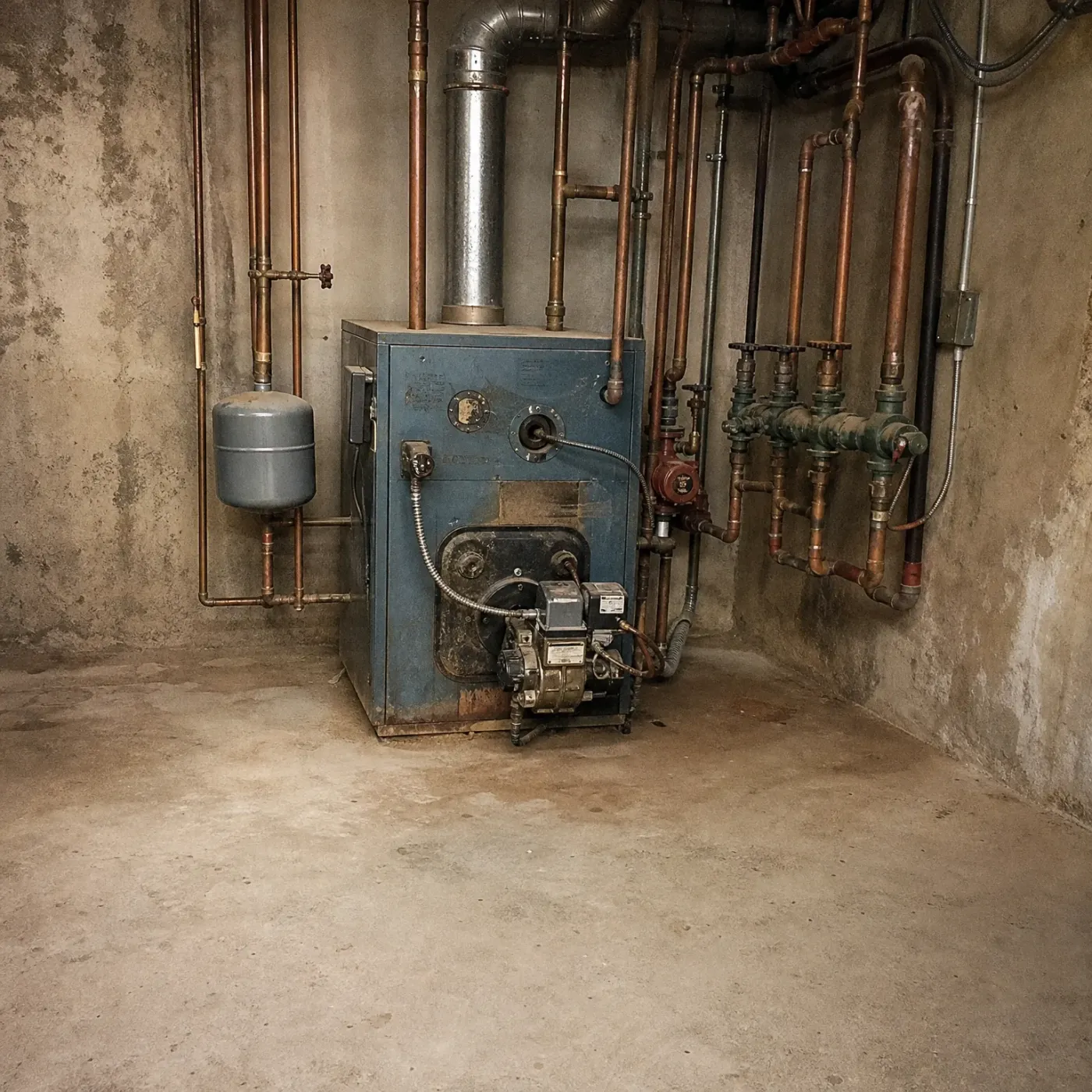
An open firebox door corroded through, a green tank that's seen too many winters, bare concrete walls showing its age. Once the firebox and tank look like this, you're not fixing a part. You're replacing the whole unit.

A boiler under 15 years old with a single bad part, a zone valve, a circulator pump, a failing aquastat, is worth repairing. A cracked heat exchanger, or a gas bill that keeps climbing with no other explanation, means it's time to replace. That's the whole decision.
What's left is finding someone who can look at your boiler and tell you which one you're dealing with. Instead of calling around to different contractors, describing the same noises and the same gas bill each time, and sorting through quotes that don't match up, you get matched with a contractor who installs boilers for Colorado homes and has them reach out to you directly. You still decide what happens next. You just don't have to do the legwork to get there.

Sending the form costs nothing.
A boiler replacement means matching the right size and setup to your house, and getting that wrong is worse than waiting. Sending the request gets you paired with a contractor who can look at your specific setup, instead of you calling around Colorado explaining the same gas bill and the same noises to every one of them.
