Tell us about the job
Takes about a minute. No obligation.
A boiler in Otero County works its burner and ignition system hard across a long stretch of the calendar. Homes in Otero County, CO run heat about seven months a year, from October through April. Repeated cycling through those months loads the heat exchanger and wears the ignition components in ways that show up as cracked sections, failed igniters, or erratic burner behavior by the time a homeowner calls. A contractor pulling an Otero County boiler apart for a repair call starts with combustion-side components because that is where the accumulated load lands first.
Boiler systems in a house this old are often running components that have cycled through one or more replacements since the house was built. Half the homes in Otero County, Colorado were built in 1958 or earlier (2020-2024 ACS 5-year). A contractor opening an older boiler here looks first at what the fired components and heat exchanger have actually become, and then at whether the replacement parts that system takes are still manufactured. If they are not, the repair conversation shifts to what a new unit requires of the existing piping and flue, not because the house is the problem but because sourcing the old part is no longer possible.
The Parts of a Boiler a Contractor Checks First
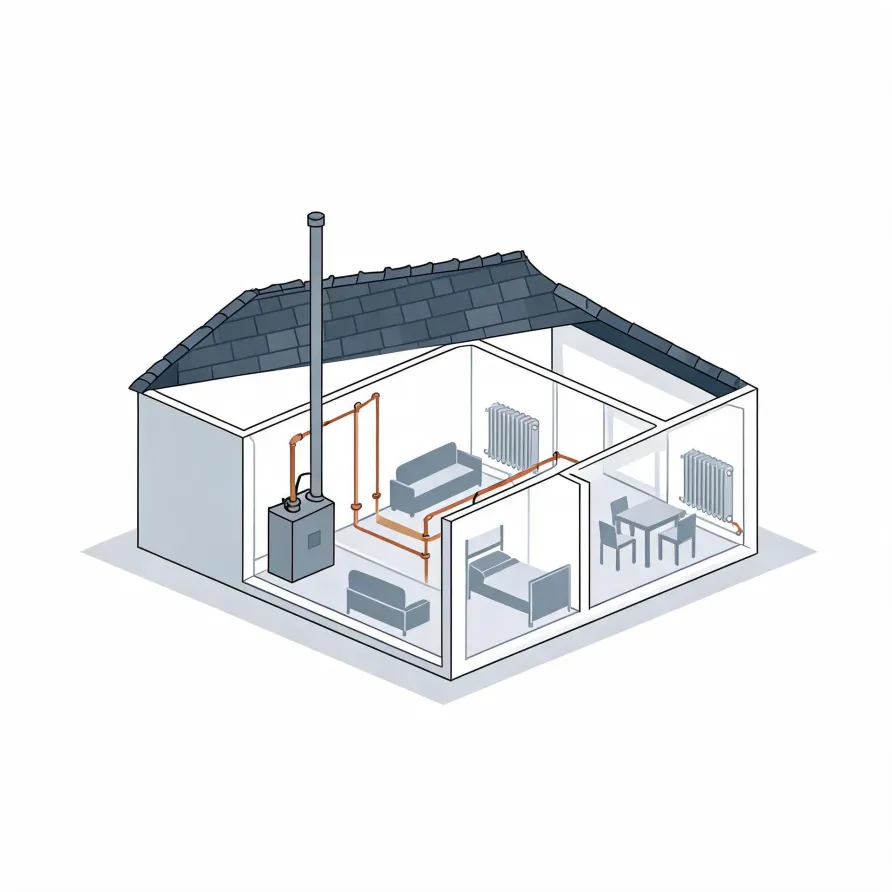
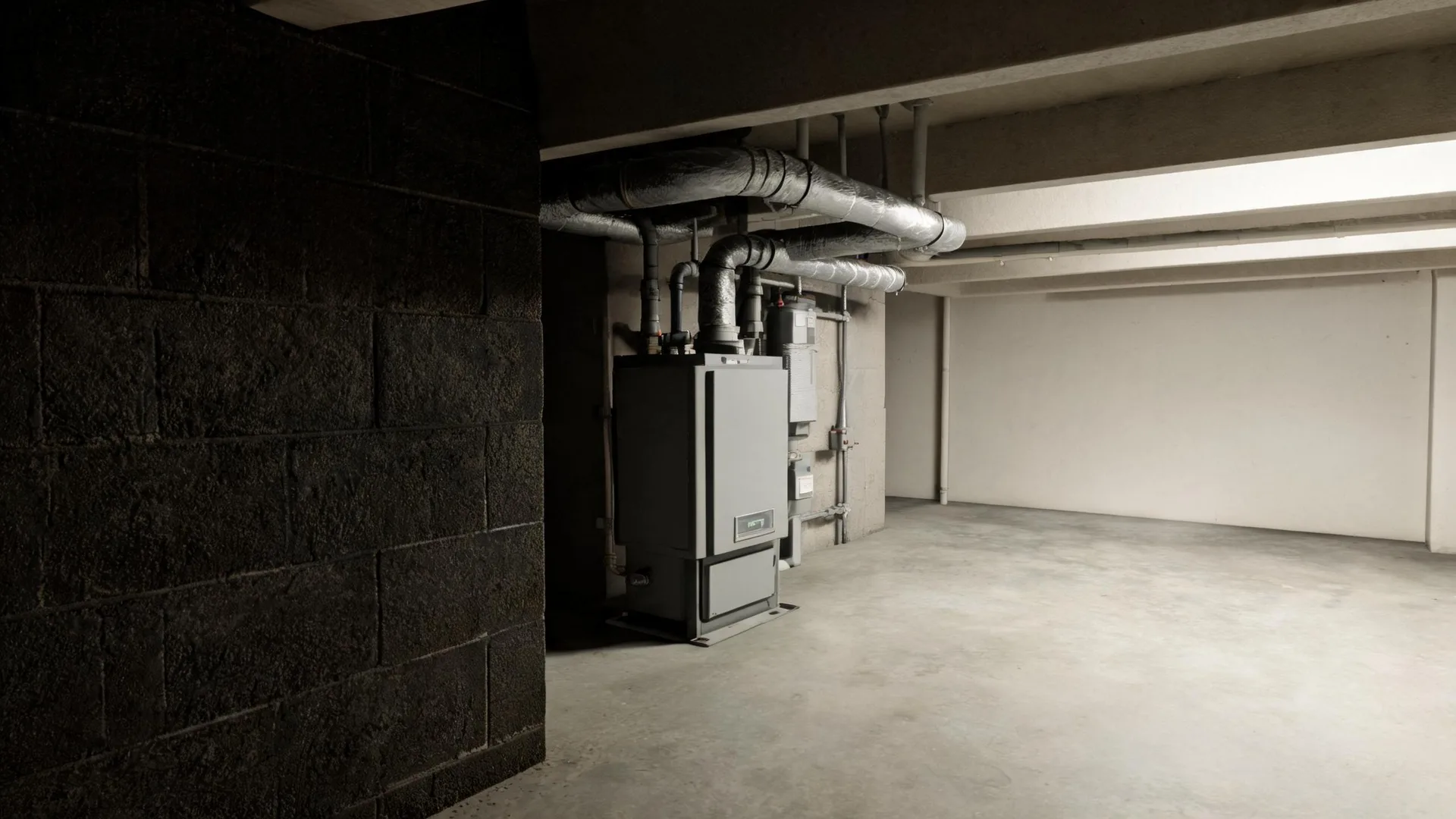
The boiler itself sits in the basement or mechanical room and is the piece a contractor goes to first. Inside it, the heat exchanger is the part most likely to be behind a cold house or a system that short-cycles. The burner assembly, which fires the heat source, is checked close behind it.
Running out from the boiler, the supply and return pipes carry heated water to the radiators or baseboard units in each room and bring it back again. The circulator pump, mounted on those pipes near the boiler, is what moves the water through the loop. The expansion tank and pressure relief valve sit close by and keep the system pressure in balance.
The drawing shows a typical boiler layout, and a licensed contractor determines what applies to the specific system in your home.
Get matched in Otero CountyOtero County, by the numbers
160 severe weather events were recorded in Otero County, Colorado between 2015 and 2024.
NOAA National Centers for Environmental Information, Storm Events Database, bulk CSV export, events 2015-01-01 through 2024-12-31.Half the homes in Otero County, Colorado were built in 1958 or earlier (2020-2024 ACS 5-year).
U.S. Census Bureau, 2020-2024 American Community Survey 5-Year EstimatesOtero County, Colorado holds 8,746 housing units (2020-2024 ACS 5-year).
U.S. Census Bureau, 2020-2024 American Community Survey 5-Year EstimatesOwners occupy 68.9% of the occupied homes in Otero County, Colorado (2020-2024 ACS 5-year).
U.S. Census Bureau, 2020-2024 American Community Survey 5-Year EstimatesSevere Weather Events in Otero County
Otero County's climate puts real pressure on heating equipment. Boilers that cycle hard through weather extremes wear faster, and when something fails, the fix is a local job.
160 severe weather events, 2015–2024. Source: NOAA National Centers for Environmental Information, Storm Events Database.